Engineered for high load-bearing efficiency, severe ambient temperatures, and continuous industrial operations across Namibia.
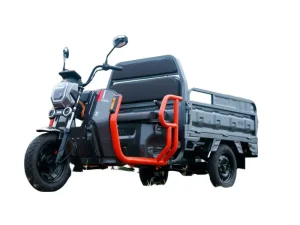
Designed for heavy mineral and agricultural transport, this model features high-capacity battery options and reinforced suspension optimized for Namibian gravel roads.
View Details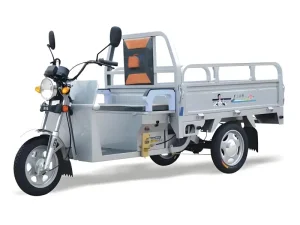
An ideal solution for municipal waste management, retail logistics, and light goods delivery in Windhoek, Walvis Bay, and urban environments.
View Details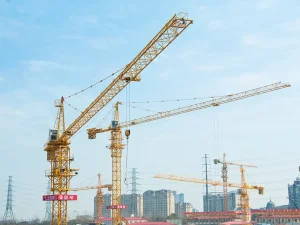
Featuring a 12-ton lifting capacity, optimized for confined spaces and high-wind environments typical of coastal Namibian mining and port facilities.
View Details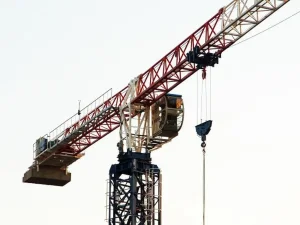
High-capacity flat-top configuration with 16-ton capabilities, engineered for rapid erection in multi-crane construction environments.
View DetailsA Strategic Overview of Heavy Equipment Demand, Last-Mile Electric Mobility, and Infrastructure Evolution in Southern Africa
Namibia is rapidly positioning itself as the primary logistics gateway for the Southern African Development Community (SADC) region. With key transport corridors such as the Trans-Kalahari, Trans-Caprivi, Trans-Cunene, and Trans-Orange originating from the deepwater Port of Walvis Bay, the demand for efficient cargo-handling equipment has reached unprecedented heights.
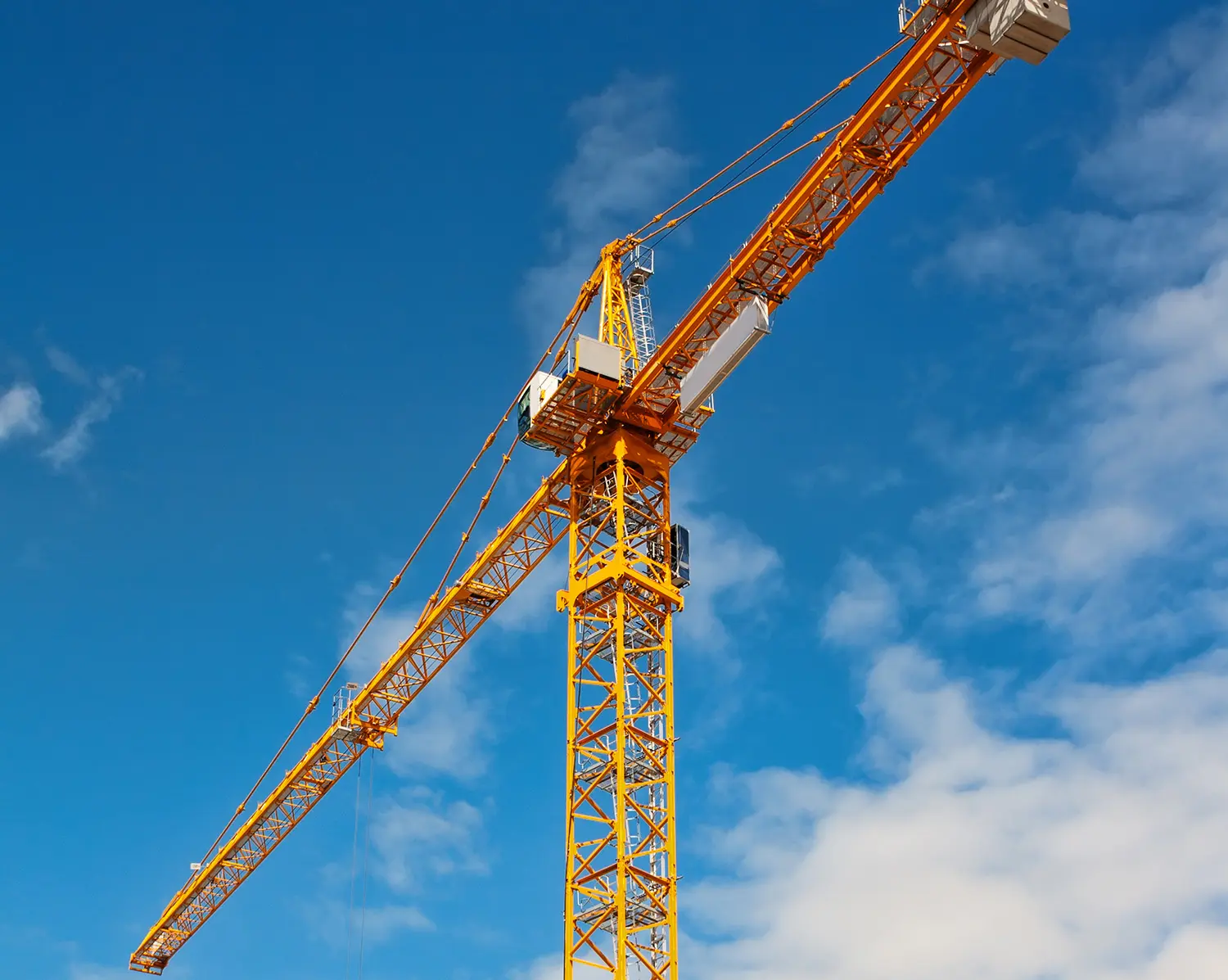
Simultaneously, Namibian urban centers like Windhoek, Swakopmund, and Rundu are experiencing steady structural and infrastructural expansions. In the industrial and commercial sectors, managing the logistics chain requires an optimization of two core operational components: vertical material handling (heavy-duty tower cranes) and localized, energy-efficient ground logistics (heavy-capacity cargo tricycles).
Namibian businesses operating in agriculture, mining support services, and retail logistics face substantial operational headwinds. High imported fuel prices, vast distances, and rugged local terrains require robust transportation solutions that offer low maintenance profiles and minimized operating costs. Here is why electric-powered cargo tricycles represent the optimal vehicle class:
| Performance Metric | Diesel Light Utility Vehicles | Shandong Dazheng Electric Cargo Tricycles | Namibia Market Benefit |
|---|---|---|---|
| Fuel/Energy Cost | High (Subject to global oil fluctuations) | Extremely Low (Compatible with off-grid Solar charging) | Protects operational budgets against local fuel price hikes |
| Maintenance Interval | Every 5,000 km (Oil filters, belts, cooling systems) | Virtually zero (Inspection of brakes & tire pressures only) | Ensures constant uptime in remote, rural areas |
| Chassis Structure | Standard light-sheet metal panels | Reinforced high-tensile structural steel frame | Withstands severe gravel and unpaved desert roads |
| Carbon Emissions | High carbon footprint | Zero direct emissions (100% clean operations) | Aligns with Namibia’s Green Hydrogen and sustainability policies |
Shandong Dazheng International Trade Co., Ltd. - Manufacturing Capacity & Global Precision Engineering Standards
Our production facilities utilize top-tier machining technology, including the Japanese SNK HF-8M CNC gantry five-face machining center and Italian FPT AREA-EV8 and MECOF M1040 five-axis linkage moving column boring and milling machining centers. Heavy-duty structures are further processed using large-scale CNC floor milling and boring machinery (TK6920A from Wushong and Kunming Machine Tool of Shenji Group, alongside TK6913 from Wuhong Machine Tool Co.).
This precision manufacturing pipeline ensures that structural tolerances, welded seams, and mechanical wear components of both our Tower Cranes and Electric Tricycle drivetrains meet rigorous international testing standards. Supported by an in-house R&D collaboration network with Tsinghua University and Shandong University, Dazheng machines are engineered to operate in the high-heat, high-dust environments of Namibia without structural decay.
How Our Electric Tricycles & Tower Cranes Deploy and Perform Across Local Industries
In the northern regions, where smallholder farming communities and commercial operations transport agricultural yields to processing markets, the 1.8M and 1.6M electric tricycles provide cost-efficient transport. Equipped with deep-tread tires and optimized high-ratio gear axles, these trikes easily cross sandy paths, maintaining low operating costs.
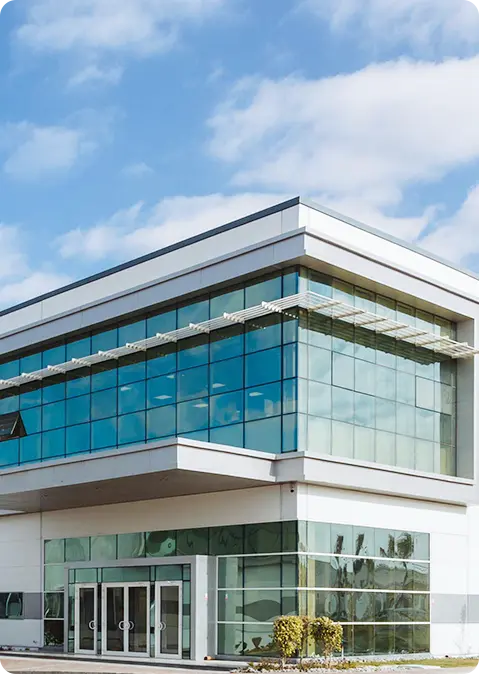
Modern commercial buildings demand rapid high-altitude vertical material lifting. Our Topless and Luffing Tower Cranes (such as the GHP7524 and GHD5522 series) offer the optimal lifting velocity, hoisting capacity, and structural wind resistance. Their design reduces erection times in metropolitan sectors while meeting strict civil engineering safety codes.
For operations in the uranium-rich Erongo belt (Husab, Rössing), zero-emission cargo tricycles are utilized for intra-facility component transport, tool distribution, and logistics inside warehouses, avoiding diesel emissions in semi-enclosed workspaces.
Explore our heavy-duty lifting equipment and clean electric transport solutions designed for high performance in the SADC region.
A heavy-duty 20-ton flat-top tower crane designed to handle bulky modular precast assemblies in high-wind zones.
Request Specifications
18-ton lifting capacity paired with high-tensile mast sections, designed for high-rise commercial structures and bridge construction.
Request Specifications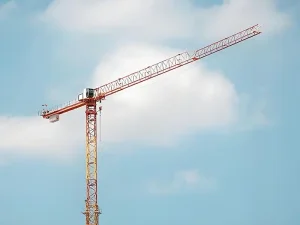
Ultra-high capacity 50-ton luffing crane engineered for dry-dock shipyard assembly, heavy mining logistics, and high-density industrial lifting.
Request Specifications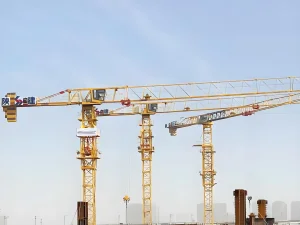
Highly stable 20-ton topkit configuration with advanced hoist-control systems, optimized for long-term construction projects.
Request Specifications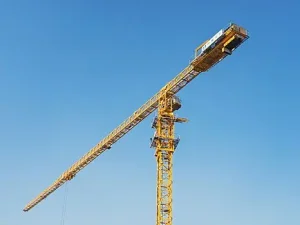
A versatile 14-ton top-slewing tower crane delivering high wind resistance and structural efficiency for urban and mine site builds.
Request Specifications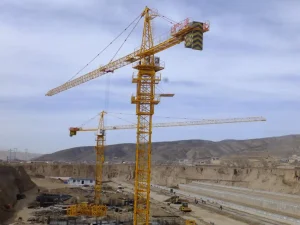
Featuring a 20-ton maximum payload and an agile working radius, ideal for congested urban sites with limited airspace clearance.
Request Specifications
A dependable, heavy-duty cargo tricycle designed with high-capacity steel loading gates and simple modular electrical maintenance.
Request Specifications
Designed for agile maneuvering through commercial lanes, with high payload capacity and a maintenance-free brushless DC motor.
Request SpecificationsHow Global Contractors and Procurement Officers Can Secure Durable Fleet Logistics and Lifting Machinery
Global procurement teams managing projects in Southern Africa require machinery that complies with local regulatory frameworks and international safety standards. Shandong Dazheng maintains certifications including ISO 9001, CE, and SADC customs clearances, ensuring seamless importation and commissioning at the job site.
For Namibia's specific climatic conditions—characterized by high UV index, coastal fog/humidity in Walvis Bay, and interior dust—our equipment undergoes specialized treatments: double-coat anti-corrosive marine paint for tower cranes, and dust-resistant electrical component enclosures for electric cargo tricycles.
We work with international logistics providers to offering Complete Knock-Down (CKD) or Semi Knock-Down (SKD) shipping configurations for our electric tricycle fleets, significantly reducing freight costs and transit times into the Port of Walvis Bay.
Whether deploying a fleet of electric cargo tricycles for localized operations or erecting a heavy tower crane, understanding the total cost of ownership is vital. Our engineering support structure provides detailed spare parts provisioning, electrical system schematics, and structural stress-test documentation, ensuring maximum asset life cycles on site.
Detailed technical information and operational answers regarding our electric tricycles and tower cranes in Southern Africa.
 Dazheng Crane