Select heavy-duty tower cranes configured specifically for Adriatic maritime winds and high-altitude Balkan infrastructure projects.
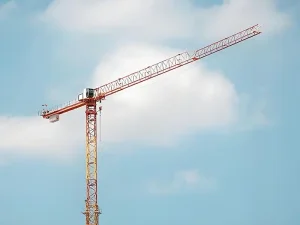
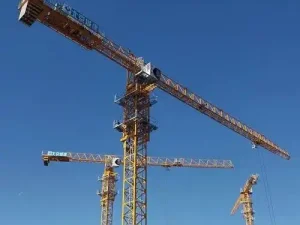
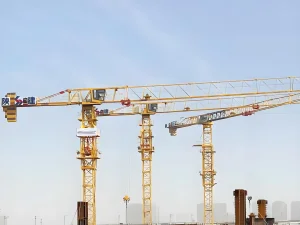
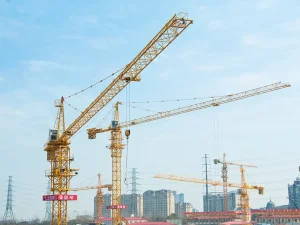
Analysis of maritime expansion, mountainous construction routes, and specialized machinery deployments in the Dinaric Alps.
Montenegro is experiencing a historic construction transformation. Initiated by the multi-phase construction of the Bar-Boljare Highway, linking the coastal Port of Bar with the Serbian border, and coupled with high-prestige coastal marina expansions (Luštica Bay, Porto Montenegro, and Portonovi), the nation demands heavy machinery capable of high-duty cycles under unique meteorological profiles.
High-altitude alpine regions like Kolašin and Žabljak pose severe structural challenges for standard lifting systems. Karst geology, seismic vulnerabilities (Zone II & III), and the Adriatic "Bora" wind—reaching gusts of up to 150 km/h—require tower cranes built with strict structural integrity, high wind-resistance coefficients, and advanced structural steel chemistry.
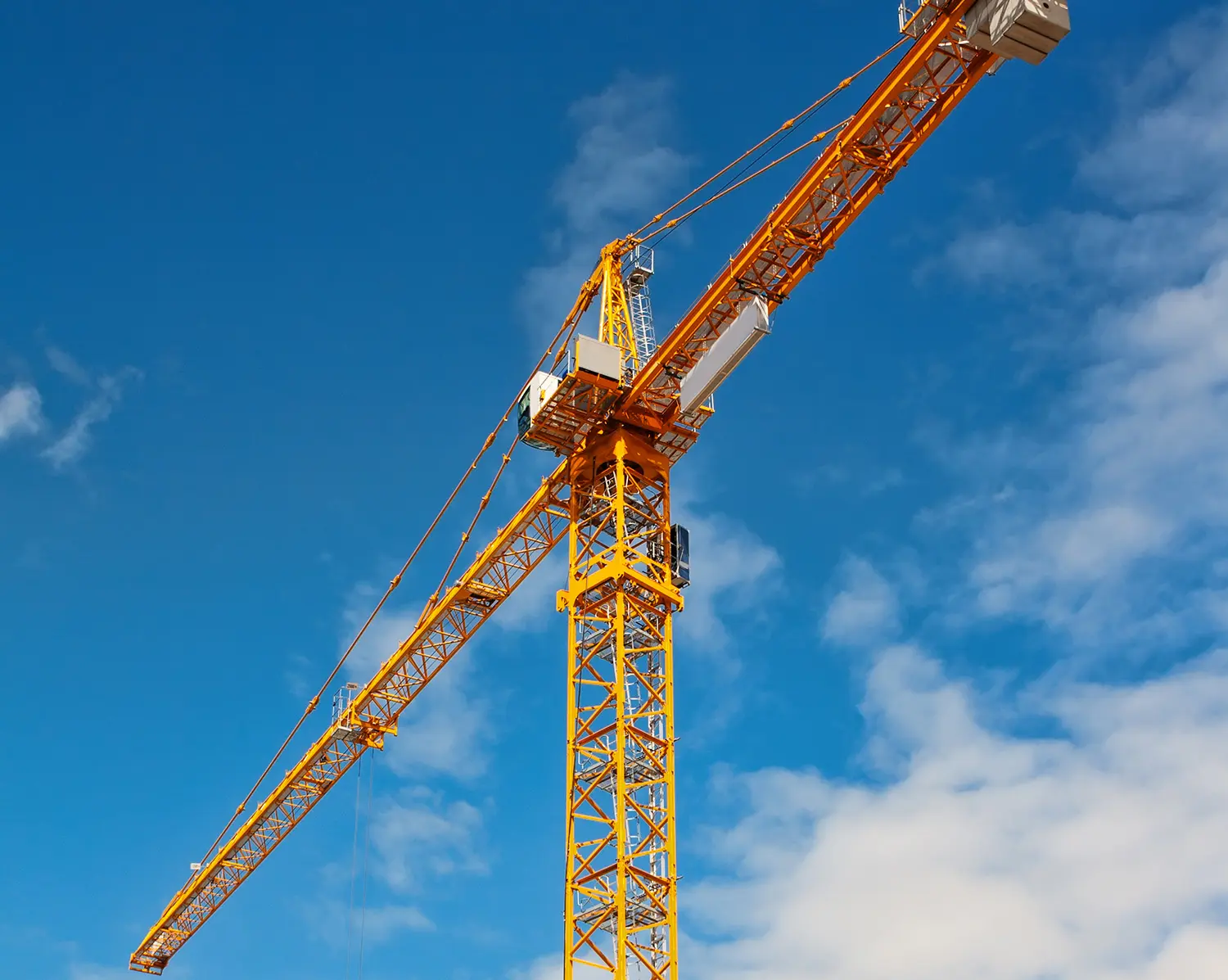
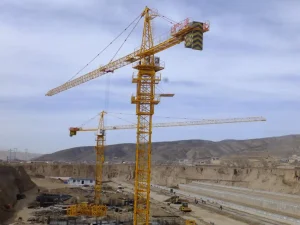
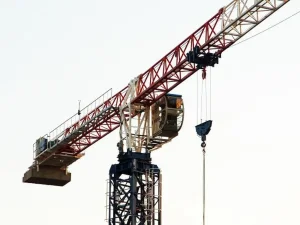
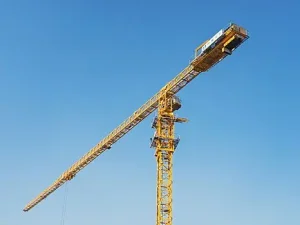
In coastal municipal zones such as Budva, Kotor, and Herceg Novi, the geographical footprint for urban development is constrained by steep mountainous drops to the sea. The standard engineering paradigm favors Flat-Top (Topless) and Luffing-jib tower cranes. These cranes feature flexible slewing ranges and compact profiles, preventing over-sail interference with adjacent historic buildings and neighboring properties.
Key structural criteria and logistics optimization protocols for European Union and Balkan Peninsula acquisitions.
Equipment exported to Montenegro must fully comply with CE directives (2006/42/EC Machinery Directive) and the rigorous EN 14439 safety standard. This covers detailed structural calculation audits, fail-safe wind monitoring, and overload prevention systems.
Our proximity to Qingdao Port allows for optimized containerization of crane mast sections. Cargo is routed directly to the Port of Bar (Luka Bar) for streamlined custom clearing, or via land transit from Rijeka or Thessaloniki ports.
We supply modular, hot-dip galvanized mast sections that resist the extreme humidity and salt fog of the Adriatic Sea, significantly reducing refurbishment costs and extending asset lifespans up to 25 years.
Precision manufacturing capabilities utilizing advanced machinery and academic research partnerships.
Shandong Dazheng International Trade Co., Ltd. is a leading company specializing in the production and operation of heavy-duty machinery and equipment, and is committed to providing high-quality products and services to customers around the world. Our main products include various types of tower cranes, agricultural machinery, plate rollers and leveling lines, which are widely used in many fields such as construction, agriculture and manufacturing.
Our production plant is equipped with world-class, high-end fabrication machinery to ensure the highest structural integrity of every tower crane. We have introduced:
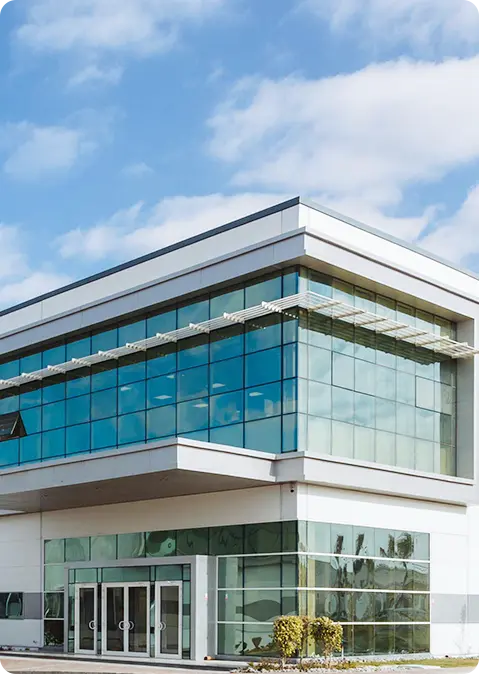
Our team consists of highly skilled design and structural engineers. We have established close technical cooperation with Tsinghua University and Shandong University to optimize our steel designs via finite element analysis (FEA) software. This ensures our mast sections withstand seismic loading and complex dynamic forces during high-altitude operations in the Balkans.
Our comprehensive local support encompasses customized design modifications, shipping management, site installation guidance, certified operator training, and reliable post-sales maintenance. Partnering with Shandong Dazheng ensures secure, high-performance lifting operations from project start to completion.
Addressing site constraints, seismic hazards, and marine environments in Southeastern Europe.
Montenegro sits on the seismically active Adriatic microplate. Dazheng structural engineers design custom-reinforced foundation anchors, heavy fixing angles, and weighted ballast bases. These calculations are fully compliant with Eurocode 8 (Design of structures for earthquake resistance) to guarantee stability under dynamic acceleration.
For coastal works in Tivat, Bar, and Ulcinj, our tower cranes undergo a multi-layered painting process. This includes sandblasting to Sa 2.5 standards, zinc-rich epoxy primers, and polyurethane finish coats. The resulting C5-M class marine corrosion resistance prevents structural degradation from salt spray.
Congested sites with overlapping crane work zones require intelligent safety networks. Our cranes feature real-time sensor networks and automated zoning software. This prevents jib-to-jib contact and jib-to-structure collisions, optimizing operations on dense multi-crane jobsites.
Pioneering smart, eco-friendly lifting technologies for next-generation jobsites.
As the construction industry shifts toward digitalization and carbon neutrality, Shandong Dazheng is investing in advanced lifting technologies. Our development roadmap focuses on three main pillars:
Modern Dazheng tower cranes are equipped with smart sensor arrays that monitor hoist load weight, wind speeds, slewing torque, and structural stress in real time. This data is transmitted via secure cellular networks to cloud dashboards, allowing fleet managers to track productivity and address structural fatigue issues before they lead to downtime.
Our latest models feature Variable Frequency Drive (VFD) controls that reduce energy consumption by up to 25% compared to traditional contactor systems. Furthermore, we are developing regenerative braking systems that capture kinetic energy during heavy load lowering, converting it back into electrical energy to power other on-site utilities.
The rise of prefabricated modular construction in European markets requires tower cranes with higher load capacities at the jib tip. Our design team continuously refines jib profiles and uses high-tensile steel alloys. This maximizes tip-load capacity, allowing contractors to lift complete precast concrete blocks and structural steel modular units with ease.
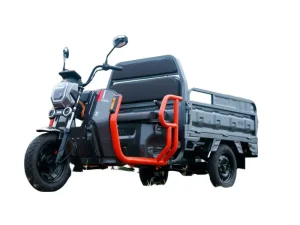
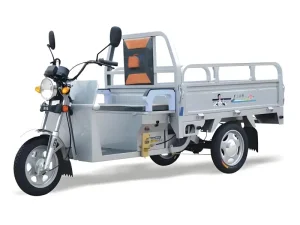
Explore our full line of Luffing, Topless, and Topkit tower cranes, along with heavy-duty electric support vehicles.
How we ensure smooth customs clearance, commissioning, and safety validation for Montenegrin operators.
Imports of lifting machinery into Montenegro must comply with the local Rulebook on safety of machinery (Pravilnik o bezbjednosti mašina), which aligns directly with the EU Machinery Directive 2006/42/EC. Every tower crane we export is delivered with:
With years of export experience, we manage the complete logistics chain. Our specialized packaging prevents transit corrosion and protects delicate electrical cabinets and motor gearboxes during ocean transport. Once the cargo arrives at the Port of Bar, our logistics team assists your local customs broker to ensure prompt clearance and minimize site delays.
Expert insights addressing structural calculations, high wind speeds, and import compliance in Southeastern Europe.
Our engineers perform wind load analyses in strict compliance with EN 14439. We design our mast configurations using high-tensile structural steel (Q355B or Q460C) to safely withstand the bending moments caused by high wind velocities. In regions prone to the Adriatic Bora wind, we specify specialized anchoring configurations and recommend putting the crane into free-slewing (weathervaning) mode when out of service, allowing it to align with the wind direction and reduce drag forces.
To import a tower crane into Montenegro, customs authorities require a commercial invoice, a packing list, a bill of lading, and a Certificate of Origin. Crucially, the crane must bear a CE mark and be accompanied by an EC Declaration of Conformity. All electrical components, wire ropes, and safety limits must have their corresponding test certificates. Our logistics team provides a complete documentation package to ensure smooth customs clearance.
Flat-Top (Topless) cranes are ideal for sites with multiple cranes, as their lack of an A-frame head reduces the vertical clearance required between overlapping jibs. Luffing-jib cranes, on the other hand, are suitable for extremely tight spaces where adjacent property boundaries cannot be crossed. Since a luffing jib can be raised or lowered to adjust its working radius, it can operate within a narrow boundary and avoid over-sailing adjacent buildings, making it the preferred choice for dense coastal cities like Budva.
All structural steel components undergo sandblasting to standard Sa 2.5 to remove rust and scale. We then apply a zinc-rich epoxy primer followed by an intermediate epoxy coat and a high-durability polyurethane finish coat. The overall paint dry film thickness (DFT) is carefully controlled to meet C5-M classification requirements, providing long-term protection against the coastal marine environment.
Depending on customization and model type, production generally takes 30 to 45 days. Ocean transit from Qingdao Port to the Port of Bar (Montenegro) typically takes between 35 and 45 days. In total, we recommend that clients plan for a delivery window of approximately 80 to 90 days from order confirmation to arrival on site.
Discuss your project’s technical specifications with our engineering team today. Get a detailed quotation and structural analysis matching your site's unique requirements.
Send Inquiry Now Dazheng Crane