Discover our primary selection of high-performance tower cranes and support vehicles engineered for complex modern sites.
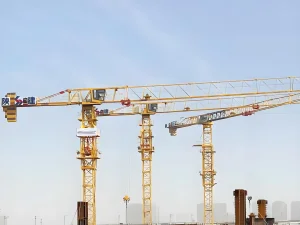
Engineered for extreme high-capacity projects with massive load-moment specifications and superior structural stability.
Learn More →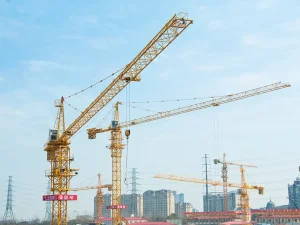
Optimized for congested urban developments, featuring a responsive luffing mechanism to avoid surrounding vertical structures.
Learn More →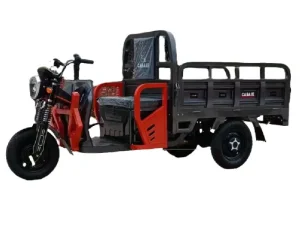
Heavy-duty electric site vehicle designed for seamless material transit across large-scale industrial and construction areas.
Learn More →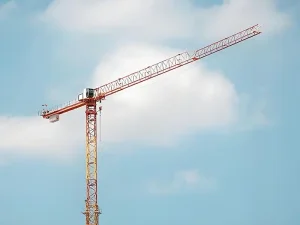
A flagship luffing crane built for ultra-heavy modular lifting, ideal for nuclear power projects and large infrastructure sites.
Learn More →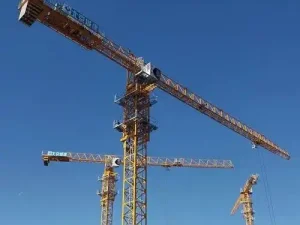
Flat-top engineering maximizes clearance in multi-crane configurations, simplifying overlapping slewing paths.
Learn More →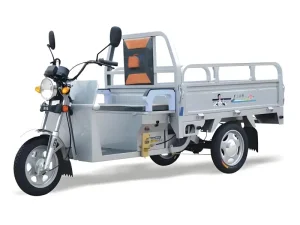
Engineered with high-capacity traction motors to transport structural tools and assembly kits safely across project zones.
Learn More →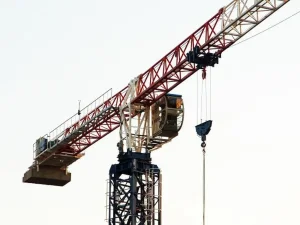
Precision lifting capabilities combined with quick-assembly mast designs, boosting performance in high-altitude environments.
Learn More →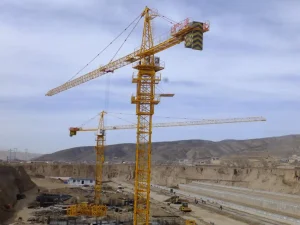
A versatile luffing system boasting smooth control curves and heavy load ratings, custom-tailored for high-density metropolitan areas.
Learn More →In the rapidly changing global construction sector, selecting the right hoisting infrastructure is a key differentiator between high-yield project delivery and costly structural delays. As high-density urban areas expand and modular, pre-fabricated building methods become standard, Self-Erecting Tower Cranes (SETCs) and heavy-duty tower cranes have become indispensable.
Shandong Dazheng International Trade Co., Ltd. is a leading manufacturer specializing in heavy machinery. We supply high-performance tower cranes, industrial plate rollers, leveling lines, and specialized agricultural machinery to clients worldwide. Guided by strict quality control and global logistics networks, our mission is to deliver dependable lifting equipment that meets the safety and efficiency needs of modern engineering projects.
By combining academic insights with industrial manufacturing, Shandong Dazheng maintains close technical partnerships with Tsinghua University and Shandong University. This collaboration keeps us at the forefront of structural design, finite element analysis (FEA), and dynamic crane load control. It also enables us to offer bespoke engineering solutions tailored to the needs of EPC contractors worldwide.
Different project types demand specific crane designs. The table below outlines the structural differences, load moments, and best-use cases for our primary crane typologies.
| Crane Family | Max Capacity Range | Primary Dynamic Benefit | Key Environmental Fit |
|---|---|---|---|
| Topless (Flat-Top) Cranes | 8 to 25 Metric Tons | Absence of tower head allows easy overlapping operations on multi-crane sites. | High-density metropolitan areas with air-space restrictions. |
| Luffing Jib Cranes | 12 to 50 Metric Tons | Variable jib angle reduces the crane's footprint and avoids surrounding structures. | Ultra-tall high-rise towers in tight downtown locations. |
| Topkit (Hammerhead) Cranes | 10 to 30 Metric Tons | Exceptional structural load-bearing capacity with standard cat-head tie rods. | Heavy infrastructure projects (dams, bridges, power plants). |
| Self-Erecting Cranes | 2 to 8 Metric Tons | Rapid hydraulic unfolding allows setup within hours without assist cranes. | Low-rise residential, timber frame assembly, and quick renovation works. |
Understanding these differences helps procurement and engineering teams select the right option for their project parameters. For example, while Luffing Jib Cranes (GHD Series) are built for vertical reach, Topless Cranes (GHP Series) offer quick assembly and high efficiency in overlapping workspaces.
The crane industry is shifting toward digitalization and automation. At Shandong Dazheng, we are actively developing and integrating several key technologies to improve safety and operational efficiency:
Real-time sensor arrays map crane positions to prevent collisions in overlapping workspaces. The system automatically slows or halts movement if a collision risk is detected.
Onboard modems transmit stress levels, temperature, and motor cycles to cloud servers, helping maintenance teams address wear and tear before it impacts operations.
Regenerative braking systems capture kinetic energy during heavy loads or descending cycles, converting it back into electrical energy to lower overall site consumption.
By designing cranes with built-in upgrade paths, we help protect our clients' capital investments against rapid technological obsolescence.
Standard equipment rarely fits complex infrastructure projects. Shandong Dazheng designs tailored lifting solutions for several key industries:
Our technical sales team works directly with project managers to select the correct crane based on load charts, spatial constraints, and wind conditions.
Exporting heavy machinery requires strict adherence to safety standards and regional regulations. All Shandong Dazheng products are designed and manufactured to meet global compliance baselines:
Our equipment is built to comply with European CE directives, FEM standards, and local codes such as Gost-R and ANSI/ASME. Before shipping, each crane undergoes rigorous load testing and structural inspections.
To ensure reliable support, we maintain local service partnerships and spare parts inventories in regional hubs. This setup helps reduce downtime by providing prompt support for installation, calibration, and routine maintenance.
Our manufacturing facility is built to support modern production requirements and scale. Our 50,000 square meter facility features specialized machinery that ensures precise tolerances across all components:
We source our structural steel (primarily Q355B and Q460 grades) from certified domestic mills to ensure consistency. Standardized shot-blasting (Sa2.5 grade) and multi-layer corrosion-resistant coatings protect the components, helping extend their service life in harsh environments.
Evaluating heavy lifting equipment goes beyond looking at the initial purchase price. Procurement teams should consider several key factors to ensure long-term value:
1. Total Cost of Ownership (TCO): Factor in transportation costs, erection time, power consumption, and eventual disassembly. Self-erecting cranes, for example, often offer lower mobilization costs for short-duration projects.
2. Logistics and Transport Configuration: Ensure mast sections are sized to fit standard container configurations. Our standard mast sections are designed to fit neatly into open-top or standard dry containers to help manage freight costs.
3. Dynamic Safety Factors: Confirm that wind load calculations match your specific region. We provide detailed wind-load charts for out-of-service conditions, ensuring stability during extreme weather.
Technical answers to help engineers and procurement specialists make informed decisions.
Topless (flat-top) cranes do not have a tower head or tie rods, which simplifies operations on sites with overlapping crane paths. This design allows you to operate multiple cranes with less vertical clearance between them. Hammerhead cranes, however, use tie rods to support the jib, which can provide more lifting capacity for a given structure weight but requires more vertical clearance.
Our cranes are calculated in accordance with FEM 1.001 standards. We specify wind ratings for both in-service and out-of-service conditions. For coastal projects, we can supply reinforced mast configurations and high-grade anchoring systems designed to handle region-specific wind speeds.
We use high-strength structural steel, primarily Q355B and Q460, for major stress-bearing components like the mast sections and main jib chords. This material provides a good balance of tensile strength, ductility, and weldability under varying temperature conditions.
Every model undergoes Finite Element Analysis (FEA) to identify and address stress concentrations under dynamic and static loads. We also collaborate with Tsinghua University and Shandong University to review and refine our structural calculations, ensuring they meet global safety standards.
Detailed models and configurations designed to meet varying site demands.
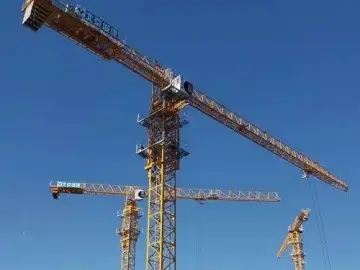
A heavy flat-top option designed for long reach, clean clearances, and efficient multi-crane work zones.
Learn More →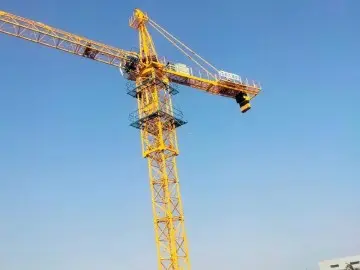
An 18-ton capacity flat-top crane that balances high hook height with rapid installation capabilities.
Learn More →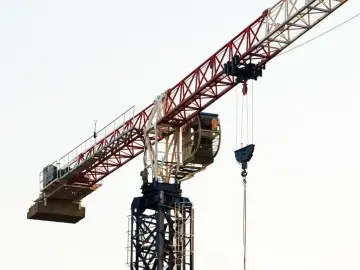
Features a 55-meter maximum boom length and high-speed hoist controls for efficient cycle times.
Learn More →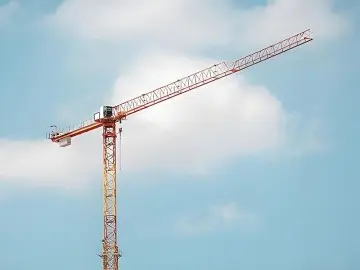
Our flagship luffing crane, engineered for heavy modular lifting on complex infrastructure projects.
Learn More →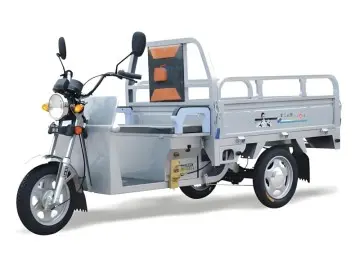
A quiet, emissions-free cargo tricycle designed to support material transport on large industrial sites.
Learn More →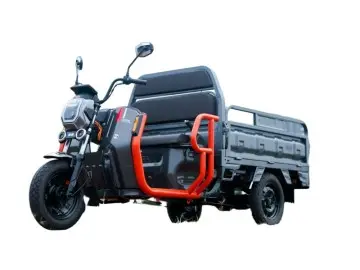
Features an extended cargo bed and reinforced suspension to handle heavy tools and site equipment.
Learn More →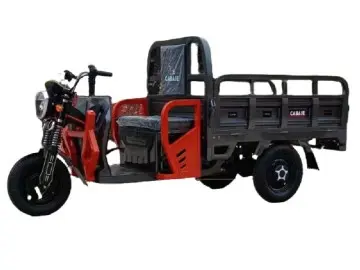
A compact and maneuverable service vehicle designed for light maintenance work across large projects.
Learn More →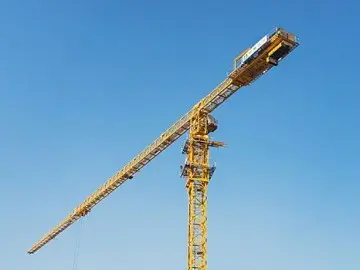
A reliable hammerhead crane featuring precise controls and a durable design for long-term construction projects.
Learn More →Partner with Shandong Dazheng for reliable lifting equipment, engineering expertise, and dedicated customer service.
Request Engineering Consultation Dazheng Crane