Explore our certified selection of industrial cranes and logistics transport options, built to the highest mechanical compliance standards.
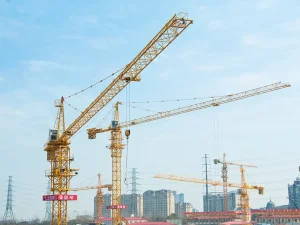
High-performance luffing crane engineered for optimal load capacity and swift boom responses at steep operation angles.
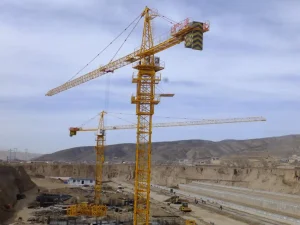
Delivers exceptional hook speed, modular assembly mechanisms, and superior performance for tall skyscrapers.
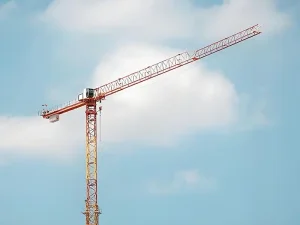
Heavy-duty industrial flagship designed with massive lifting limits for bridge towers and structural core frameworks.
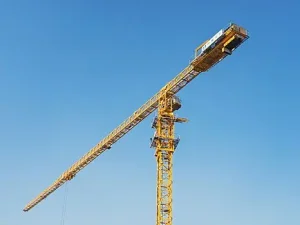
Traditional hammerhead layout providing unmatched durability, load rigidity, and long jib operations.
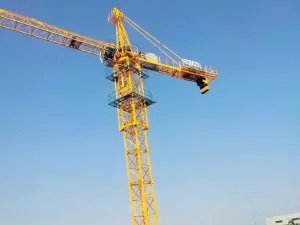
Modern flat-top design optimizing multi-crane work overlaps, reducing overall structure load and boom wear.
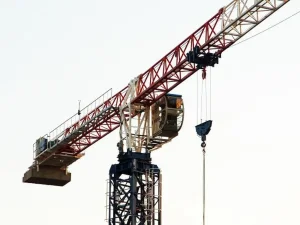
Delivers simplified component assembly steps and highly stable overhead swing dynamics in congested spaces.
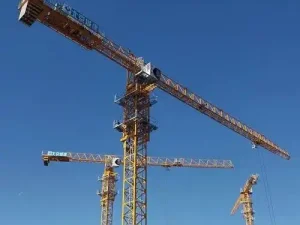
Equipped with extended jib configurations and intelligent anti-sway safety frameworks for precision rigging.
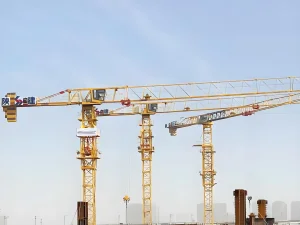
Heavy tower crane configuration boasting robust hoist controls and a resilient mast cross-section.
As cities verticalize and construction boundaries shrink, global contractors face complex dilemmas: operating tower cranes within strict property boundaries, avoiding neighboring airspace violations, and managing safety on high-density job sites. Traditional hammerhead and flat-top tower cranes require wide horizontal slewing radii, making them impractical for congested urban downtowns. The industry has shifted significantly toward Luffing Tower Cranes, particularly advanced models inspired by top-tier engineering architectures like Zoomlion.
These specialized crane platforms utilize dynamic boom hoisting (luffing) mechanisms to work within narrow envelopes. By moving the entire boom up and down rather than relying solely on a trolley, luffing tower cranes reduce out-of-service wind swing zones while increasing hoisting stability. To support this demanding engineering sector, global suppliers must offer more than raw steel structures. They must provide integrated reliability, advanced metallurgical design, precision hydraulics, and smart telemetry systems.
In mega-projects across London, New York, Singapore, and Tokyo, local regulations strictly prohibit crane booms from hanging over public streets or residential buildings without expensive permits. Luffing cranes solve this by lifting their jibs to angles exceeding 80 degrees, ensuring the entire slewing footprint remains inside the construction property perimeter.
A reliable luffing crane relies on precision engineering. The stresses concentrated at the luffing mechanism's pivot pins and hoisting drums are significantly higher than those in standard cranes. Shandong Dazheng International Trade Co., Ltd. answers this challenge with advanced manufacturing facilities designed to meet and exceed global specifications.
Our heavy equipment facility spans an impressive 208 acres, featuring over 50,000 square meters of modern, climate-controlled fabrication workshops. By investing in top-tier global industrial machinery, we ensure that every mast section, luffing gear, and pin sleeve conforms to strict technical standards:
We utilize the SNK HF-8M CNC gantry five-face machining center from Japan, enabling precise boring of structural joints and pin holes to ensure structural alignment under stress.
Our workshop utilizes the Italian FPT AREA-EV8 and MECOF M1040 five-axis linkage moving column boring and milling machining centers to process complex structural components.
Large-scale boring operations are performed using the TK6920A CNC floor milling/boring machine from Wushong and Kunming Machine Tool of Shenji Group, alongside the TK6913 system from Wuhong.
This advanced equipment allows us to maintain mechanical tolerances within fractions of a millimeter. To verify our work, we employ large-scale coordinate measuring systems, including high-precision 3D non-contact measuring instruments, validating the geometric profiles of all mast interfaces and dynamic slewing frames before they leave our factory.
Acres Factory Area
Sqm Production Workshop
Precision Machining Centers
Quality Verification Systems
The technical progression of our luffing tower crane designs focusses on three major areas: structural materials, smart control systems, and eco-friendly powertrains. We design structures to minimize dead weight while maintaining load moments.
Modern construction sites require multiple cranes to operate in close proximity. Our systems integrate real-time RTK GPS sensors and dynamic load monitoring to prevent boom intersections. The system automatically decelerates slewing and luffing movements when the crane approaches pre-programmed work boundaries.
By recovering gravitational energy during load lowering and deceleration, our regenerative VFD units return up to 25% of energy back to the grid. This cuts energy usage and reduces thermal stress on hoist motors, extending component life in demanding high-rise cycles.
Utilizing high-tensile steel alloys, our structural components achieve exceptional strength-to-weight ratios. This material choice enhances wind resistance and safety margins when operating in coastal environments and extreme climates.
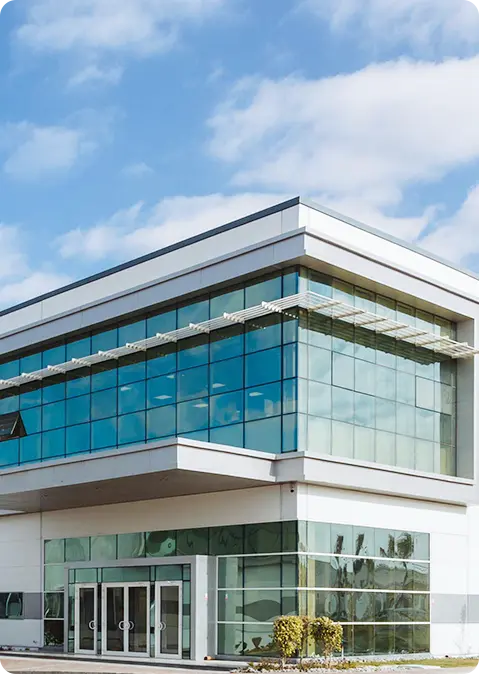
Different industrial settings present unique operational challenges. Standard layouts often struggle to adapt, requiring customized configurations to ensure safety and efficiency.
For buildings exceeding 300 meters, we provide climbing luffing systems that ascend inside elevator shafts or mount directly to structural cores, maximizing reach while minimizing mast steel requirements.
Cooling towers, thermal chimneys, and containment domes require heavy machinery to operate inside deep structural boundaries. Luffing cranes hoist loads over outer rims without interfering with external structures.
Suspended and cable-stayed pylon designs require precise handling under changing wind profiles. Our cranes deliver stable, micro-positioning capabilities for cable anchoring systems.
Through technical partnerships with Tsinghua University and Shandong University, we combine academic research with practical field expertise. This collaboration enables us to analyze structural wind loads and analyze torsional stresses, ensuring our machinery performs reliably under challenging conditions.
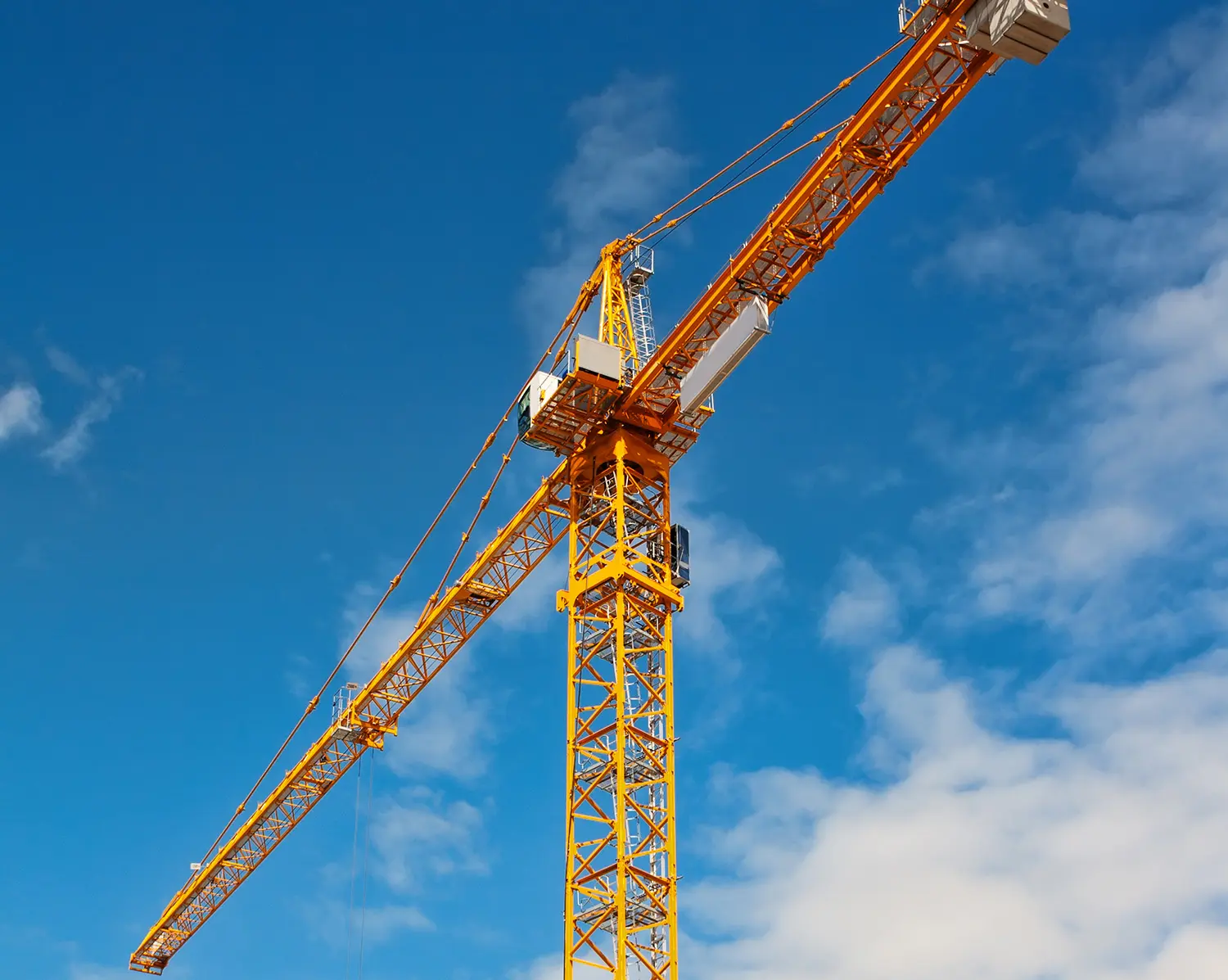
B2B procurement managers must look beyond unit price to evaluate overall lifetime value. Our team supports global buyers throughout the sourcing process, offering detailed technical documentation, design consultation, and site installation planning.
Operating heavy machinery globally requires strict alignment with local safety standards and construction laws. Our engineering support structure ensures that every crane we supply conforms to local standards, including European CE directives, North American OSHA rules, and ISO quality management guidelines.
Before delivery, each luffing system undergoes testing at our manufacturing facility, including overload tests, dynamic control checks, and structural strain gauge analysis. We provide detailed installation manuals, operations training, and localized parts packages to ensure your machinery performs reliably on site.
Our engineering team collaborates with Tsinghua University and Shandong University to research structural dynamics under wind load. This research allows us to continually improve our designs, enhancing safety and reliability on global job sites.

Expert answers to key technical, sourcing, and operational questions for heavy equipment procurement teams.
Explore our full range of heavy equipment, including high-capacity luffing cranes, topless cranes, and electric site vehicles.
Our heavy-duty luffing model designed to manage massive structural lifts, featuring high-speed hoist line configurations.
Designed to simplify multi-crane coordination in complex airspace, reducing horizontal boom interference.
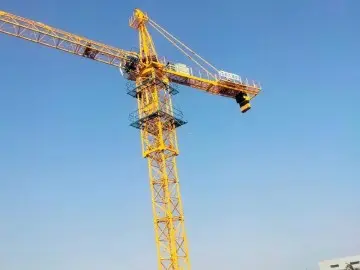
Features a 55-meter boom length for broad coverage and excellent load control on medium to large jobs.
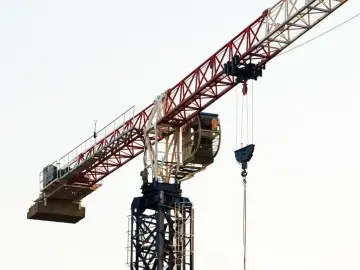
A durable flat-top configuration built to handle demanding lifting schedules with minimal maintenance requirements.
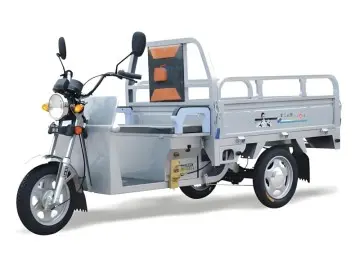
A high-capacity electric utility vehicle designed for quiet, emission-free transport of materials on construction sites.
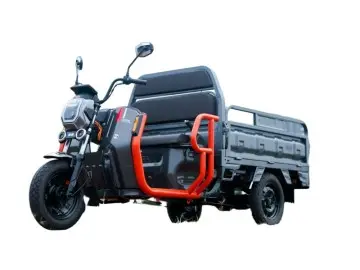
Features an extended flatbed and reinforced chassis to support heavy material transport across active jobsites.
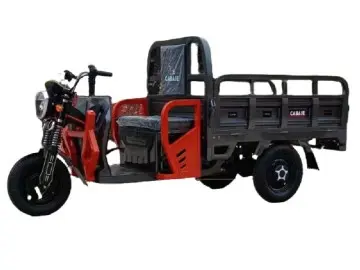
A compact site utility tricycle featuring high battery efficiency and excellent maneuverability in confined spaces.
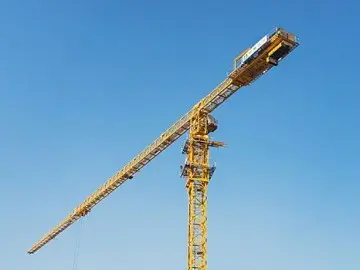
Features a top-slewing layout with high structural rigidity, providing reliable lift performance for tall building construction.
 Dazheng Crane