Top 5 Remote Control Tower Crane Benefits for Global Buyers?

Time:2026-06-10 Author:Henry
0%

In the rapidly evolving construction industry, the introduction of Remote Control Tower Cranes is revolutionizing operations. Experts like Dr. Emily Thompson, a leader in construction technology, emphasize the significant shift towards safer and more efficient construction sites. She once stated, "Remote Control Tower Cranes increase precision and reduce human error."

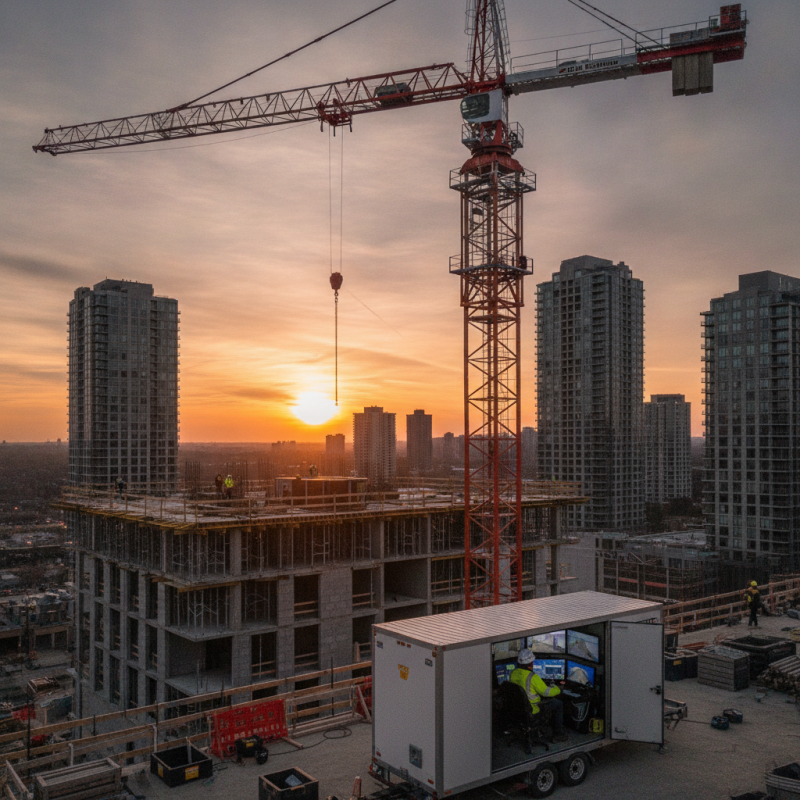
Remote Control Tower Cranes enhance operational safety and efficiency. They allow operators to control cranes from a distance, minimizing risks associated with height and complex maneuvers. This innovation is crucial for global buyers looking to meet safety regulations while maximizing productivity. Additionally, they can adapt to various project demands, making them versatile tools in any construction arsenal.

While these cranes offer great advantages, challenges remain. Ensuring reliable communication and control systems is essential. Operators must also be trained adequately. Reflecting on these aspects allows industry stakeholders to make informed decisions when considering Remote Control Tower Cranes for their projects.
Top 5 Remote Control Tower Crane Benefits for Global Buyers?

Understanding Remote Control Tower Cranes: A Modern Solution for Construction

Remote control tower cranes are revolutionizing the construction industry. They bring efficiency, safety, and precision to operations. These cranes allow operators to control movements from a distance. This innovation increases safety by reducing the number of workers exposed to high-risk environments. It also enables better visibility for operators, enhancing decision-making during complex lifts.

Choosing the right remote control crane is essential. Look for models with robust safety features and user-friendly controls. Test the remote system to ensure it operates smoothly. Always include trained personnel when using these cranes. Their expertise minimizes risks associated with crane operation.

When using remote control tower cranes, regular maintenance is crucial. Checking the remote system frequently can prevent unexpected malfunctions. Additionally, staying updated with the latest technology can lead to significant operational improvements. Consider new features that enhance control and safety. Make sure to document all maintenance checks. This builds reliability and trust within the construction team.

Top 5 Remote Control Tower Crane Benefits for Global Buyers

Benefit Description Impact on Operation
Improved Safety Remote operation minimizes risks to operators by keeping them away from potential hazards. Reduces accidents and injuries on-site, enhancing overall site safety.
Increased Efficiency Allows cranes to be operated from a distance, streamlining workflows and reducing downtime. Enhances productivity and reduces time delays in project timelines.
Cost Savings Remote control cranes can lead to lower labor costs by reducing the number of operators needed on-site. Significantly decreases operational costs over time.
Versatility Can be used in various construction environments, including constrained or hazardous sites. Increases the range and scope of projects that can be undertaken.
Remote Monitoring Operators can monitor crane operations from a distance, ensuring better operational oversight. Facilitates quick decision-making and enhances operational resilience.

Enhanced Safety Features of Remote Control Tower Cranes for Operators

Remote control tower cranes have gained prominence due to their enhanced safety features. According to a recent industry report, about 70% of construction accidents result from operator error. Remote control systems significantly reduce this risk. Operators can manage cranes from a safe distance, minimizing exposure to potential hazards on-site.

The ergonomic design of remote controls is also noteworthy. Operators can easily maneuver the crane without straining. This intuitive design leads to improved focus and reduces fatigue. Research shows that workers who face less physical strain are 40% more productive. Moreover, these cranes often come equipped with advanced sensors and alarms that immediately alert operators to potential dangers. Enhanced situational awareness ensures timely responses to unforeseen events.

Despite these advantages, challenges remain. Training operators to use remote control systems can take time. Some may struggle to adapt to the technology. Additionally, maintenance of the remote systems is crucial. A malfunction can pose safety risks if not addressed swiftly. Still, the benefits presented by remote control tower cranes far exceed these concerns.

Increased Efficiency: How Remote Control Tower Cranes Boost Productivity

Remote control tower cranes have transformed construction sites worldwide. One major advantage is increased efficiency. These cranes can be operated from a distance, allowing operators to focus on their tasks without being in the line of sight. This innovation reduces downtime and boosts overall productivity. Workers can respond swiftly to changing conditions, optimizing site operations.

Tips for maximizing efficiency with remote control tower cranes include regular training for operators. Understanding the system enhances performance and minimizes errors. Situational awareness is crucial. Operators should maintain clear communication with team members on the ground. This ensures everyone is informed and reduces potential accidents.

Additionally, proper maintenance is key. Regular checks on the crane's components can prevent malfunctions during critical operations. Overlooking regular maintenance can lead to costly delays. Also, consider the layout of the construction site. A well-planned setup minimizes unnecessary movements and maximizes the crane's effectiveness.

Cost-Effectiveness of Remote Control Tower Cranes for Global Projects

Remote control tower cranes are gaining traction for global projects. These cranes offer significant cost-effectiveness. By reducing labor costs, they minimize the overall project budget. Additionally, remote operations lower the risk of accidents, which can be costly. This safety aspect can lead to a decrease in insurance premiums.

One tip for project managers is to evaluate the training needs of operators. Effective training ensures optimal use of remote cranes. Investing in training can maximize efficiency and minimize errors. Furthermore, consider the long-term benefits of reduced maintenance costs. Less wear and tear on equipment translates to fewer repairs over time.

Another important factor is the adaptability of remote control cranes. These cranes can work in various environments, from urban sites to rural areas. Their flexibility allows for diverse applications, enhancing project value. Yet, it’s crucial to reflect on potential challenges. For instance, extreme weather conditions can affect remote operations. Proper planning and technology can mitigate these risks, ensuring smooth operation.

Flexibility and Versatility: Adapting Remote Control Tower Cranes to Job Sites

Remote control tower cranes offer impressive flexibility and versatility for diverse job sites. They can easily adapt to various lifting tasks, making them suitable for construction, maintenance, and logistics. Their ability to operate in tight spaces can enhance workflow efficiency. Operators can manage these cranes from a safe distance, allowing for better visibility and improved decision-making.

These cranes come with customizable controls and attachments. This adaptability is crucial when projects require quick shifts in operations. For instance, switching from moving heavy materials to precise lifting tasks can be seamless. However, not every operator is accustomed to this technology. Training may be necessary to ensure safe and efficient operations.

While the advantages are clear, challenges remain. Equipment malfunction can disrupt workflow, causing delays. Moreover, climate conditions can impact functionality. Therefore, proper maintenance is imperative. Regular checks can prevent unexpected issues and ensure reliability on the job site. Understanding these factors helps maximize the benefits of remote control tower cranes while addressing potential weaknesses.

Top 5 Benefits of Remote Control Tower Cranes

FAQS

: What safety features do remote control tower cranes offer operators?

: Remote control tower cranes allow operators to work from a safe distance, minimizing exposure to hazards on-site.

How does ergonomic design impact crane operation?

Ergonomic controls help operators maneuver cranes easily. This reduces physical strain and improves focus during operation.

What percentage of construction accidents are caused by operator error?

Approximately 70% of construction accidents result from operator error, emphasizing the need for safer operation methods.

Why is regular training important for operators?

Regular training enhances operators' understanding of the remote control system, improving performance and reducing potential errors.

How do advanced sensors contribute to crane operation?

Sensors and alarms alert operators to potential dangers. This enhances situational awareness and allows for timely intervention.

What challenges do operators face with remote control systems?

Some operators may struggle with adapting to new technology. Training can take time, posing an initial challenge.

What role does site layout play in crane efficiency?

A well-planned construction site minimizes unnecessary crane movements, optimizing operations and enhancing productivity.

How crucial is maintenance for remote control systems?

Regular maintenance is essential to prevent malfunctions. Neglecting this can lead to safety risks and expensive delays.

Can remote control cranes improve productivity?

Yes, they allow operators to focus on tasks without being in the line of sight, thereby boosting productivity.

What should operators prioritize for safe crane operation?

Clear communication with team members is vital. It ensures everyone is informed and helps to reduce accidents.

Conclusion

Remote Control Tower Cranes are revolutionizing the construction industry by offering a modern solution that enhances safety, efficiency, and versatility on job sites. With advanced safety features, these cranes significantly reduce risks for operators, allowing them to manage lifting operations from a safe distance. This not only protects workers but also ensures compliance with stringent safety standards.

Furthermore, Remote Control Tower Cranes increase productivity by streamlining operations and minimizing downtime. Their cost-effectiveness makes them an attractive option for global projects, as they adapt seamlessly to diverse job site requirements. Overall, the benefits of Remote Control Tower Cranes make them a valuable investment for construction companies looking to improve their processes and outcomes in today's competitive environment.


Henry

Henry

Henry is a dedicated marketing professional with a profound expertise in the company's offerings. With years of experience in the industry, he possesses an impressive understanding of the market dynamics and consumer behaviors that drive success. Henry is committed to sharing his insights through......