Choosing a construction tower crane starts with the work, not the machine. List the heaviest planned lifts, their locations, and the required hook height. A crane that handles the maximum load near its mast may have much less capacity at the end of its jib. Check the manufacturer’s load chart at the actual working radius, not just the headline lifting capacity. A pallet of blocks on a windy afternoon is a more useful test case than a brochure image.
Next, compare the crane’s reach and height with the site layout, nearby structures, and planned construction stages. Review foundation requirements, tie-in locations, access for delivery, and space for safe assembly and dismantling. Wind limits, visibility, and coordination with other cranes also affect daily operations. Small details matter. A revised building sequence can change which crane configuration works best.
A Construction Crane Tower should be selected using verified project data and manufacturer documentation. Ask qualified engineers and the crane supplier to review load cases, site conditions, foundation design, and installation plans. Confirm what inspections, maintenance support, and operator training are available. These checks help reveal practical constraints before equipment arrives. Still, estimates are not guarantees; actual site conditions may differ from early drawings. Keep assumptions visible, and revisit them when the project changes. The best choice is not always the largest crane. It is the crane that can perform the planned lifts safely, reliably, and within the site’s real limits.
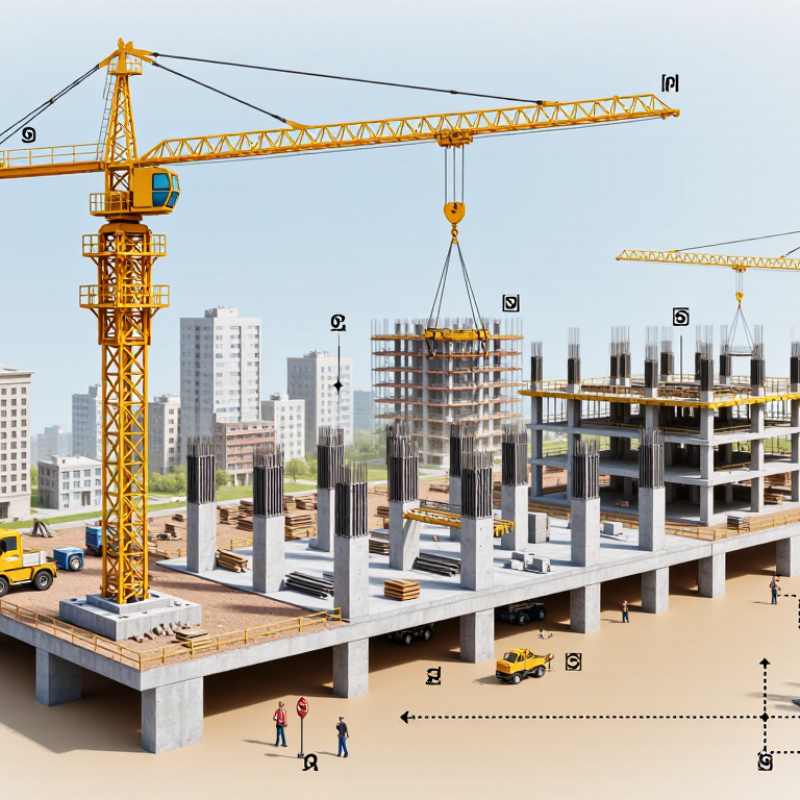
Before comparing tower cranes, map the work they must perform. List the heaviest loads, their weights, and the farthest lifting radius. A load chart should cover the actual combination of load and radius, not just the crane’s headline capacity. Small details matter. A bundle of rebar, a concrete skip, and a prefabricated wall create different lifting demands. Note how often each item will be moved and whether several crews need lifts at the same time.
Then assess the site and construction sequence. Measure the building’s planned height, available crane position, ground conditions, and clearance from nearby structures. Check whether the crane can reach storage areas and active work zones as the structure rises. A busy project may need a different setup from one with occasional, predictable lifts. Allow for wind-related restrictions and safe access for assembly and maintenance. These details should be checked against the crane documentation and reviewed by qualified lifting and structural professionals.
It is easy to assume the biggest crane is the safest choice. That assumption deserves a second look. A larger unit may need more space, stronger foundations, or a more complex erection plan. Revisit the lift schedule when designs or delivery routes change; early estimates are often imperfect. A simple lift-by-lift list can reveal gaps before equipment is selected.
Compare Tower Crane Types and Configurations
Tower crane selection starts with the site, not a catalog. A hammerhead crane suits open sites where its trolley can move loads across a broad radius. Its horizontal jib is easy to understand, but neighboring cranes or buildings may restrict movement. A luffing-jib crane raises its jib to work in tight urban spaces. It can reduce oversailing, though its operating sequence and setup may be more demanding. Flat-top cranes can simplify assembly where several cranes must work close together. Still, the best fit depends on the actual lifting plan.
Configuration matters just as much as crane type. A tower crane may stand on a fixed base, climb inside a building, or rise externally with staged tie-ins. Check foundation capacity, available floor space, building progress, and access for delivery and assembly. Internal climbing can save ground space, but it requires a suitable core and carefully coordinated openings. External climbing needs planned connections to the structure. Small details matter.
Compare load charts at the working radius, not only maximum capacity. A crane that lifts a heavy load near the mast may have far less capacity at the far end of its jib. Review hook height, headroom, wind exposure, lifting cycles, and the path of each load. A common planning gap is assuming the crane can reach every floor before the structure is complete. It may not. Recheck the configuration as the project changes, and confirm the design with qualified crane and structural professionals.
How to Choose a Construction Tower Crane?
Match Lifting Capacity, Height, and Reach to the Project
Choose a tower crane from the heaviest load at its actual working radius, not its headline maximum capacity. A pallet weighing 4 tonnes near the mast may be within limits, while the same load at the far edge can exceed the rated capacity. Check the load chart for the planned configuration, including jib length and counterweight. OSHA’s 29 CFR 1926.1417 requires operators to follow applicable load charts and procedures. Small details matter. Include rigging, lifting beams, and concrete buckets in the load calculation, and leave practical margin for uncertainty.
Set height and reach from the site layout and build sequence. The hook must clear the tallest structure and temporary works, while the jib must cover unloading points, storage areas, and active work zones. Map these locations before choosing a crane; a reach that looks adequate on a plan can leave blind spots behind the core. NIOSH’s 2006 crane safety alert reported 719 crane-related worker deaths in the United States from 1992 to 2002. That figure covers cranes broadly, not tower cranes alone, but it underscores why capacity and operating limits deserve careful review. Recheck the selection as the building rises. Site plans change, and early assumptions are not always right.
| Project Scenario | Approximate Hook Height | Typical Jib Length | Typical Maximum Rated Capacity | Indicative Capacity Near Jib Tip | Key Selection Check |
|---|---|---|---|---|---|
| Low-rise residential or small commercial building | 30–60 m | 40–55 m | 6–12 t | About 0.8–1.5 t | Confirm that the crane can reach the full building footprint and safely handle the heaviest load at its planned working radius. |
| Mid-rise residential or commercial building | 50–100 m | 45–65 m | 8–16 t | About 1.0–2.0 t | Check hook height above the highest lift point, including allowance for rigging and future construction stages. |
| High-rise building with staged construction | 100–200 m or more | 50–70 m | 12–25 t | About 1.2–3.0 t | Plan for climbing or tie-in requirements, nearby structures, and the required height as the building rises. |
| Large site with wide material distribution | 40–120 m | 60–80 m | 8–20 t | About 0.8–2.5 t | Map the required coverage area and check for crane overlap, site boundaries, power lines, and surrounding obstacles. |
| Project with occasional heavy component lifts | 40–100 m | 45–70 m | 20–50 t | Capacity varies substantially by configuration and radius | Verify the complete load chart for each critical lift; maximum rated capacity is not available at every radius. |
A tower crane should fit the site, not just the lifting schedule. Walk the proposed area and note ground slope, underground services, nearby structures, and overhead obstructions. A narrow street or a row of mature trees can limit crane delivery and assembly. Check the working radius against the farthest load, then compare it with the space available for the mast and base. Small details matter. A few metres of clearance can change the setup.
Access and installation need equal attention. Map the route for trucks, identify turning space, and confirm where components can be unloaded without blocking active work. The base design and ground capacity should be reviewed by qualified engineers using actual site information, not rough assumptions. Plan when the crane can be assembled, how it will be erected, and whether the structure needs tie-ins as it rises. A tidy drawing can still miss a drain cover or soft patch. Recheck measurements on site; plans are useful, but they are not the ground. If access depends on a temporary closure or a tight delivery window, build realistic time into the installation schedule.
Choosing a construction tower crane starts with the lift plan, not the brochure. Match its capacity, reach, and height to the heaviest loads and site layout. Check current inspection records, load charts, and documentation against the standards and approvals required where the project will operate. Ask how the crane’s configuration affects permitted loads. Paperwork matters.
Compare the full cost of ownership, not just the rental or purchase price. Include transport, assembly, foundation work, power, inspections, routine maintenance, and dismantling. A low quote can become expensive if parts are delayed or the crane sits idle. Request a written estimate that lists assumptions and excludes hidden charges. Estimates still need scrutiny.
Supplier support is part of the equipment decision. Confirm who handles commissioning, operator familiarization, troubleshooting, and urgent parts requests, including response times outside normal hours. Ask for a named service contact and examples of comparable projects, then verify references where possible. A short conversation about a past breakdown can reveal more than polished sales material. I would still revisit the plan after site conditions change; soil, access, and lift schedules rarely stay perfect.
Use the heaviest planned load at its actual working radius. A four-tonne pallet near the mast may be safe, but not at the jib’s far edge. Check the load chart carefully. Include rigging, lifting beams, and concrete buckets in the total weight.
Maximum capacity usually applies near the mast, under specific conditions. Capacity decreases as the load moves outward. The jib length and counterweight also affect permitted loads. Brochure figures alone can mislead.
The hook must clear the tallest structure and temporary works. Allow space for roof equipment, scaffolding, and future construction stages. Recheck height as the building rises. Early assumptions can fail.
Mark unloading points, storage areas, and active work zones on the site plan. Check whether the jib covers each location without hidden gaps. A plan may look complete while the core blocks important areas. Walk the site too.
Review current inspections, load charts, configuration records, and required approvals. Confirm that operating procedures match local safety requirements. Paperwork matters. Missing records should delay the decision, not disappear into a drawer.
Include transport, assembly, foundation work, power, inspections, maintenance, and dismantling. Also consider standby time and delayed parts. A low rental price may become expensive when the crane sits idle. Request written assumptions.
Confirm commissioning, operator familiarization, troubleshooting, and urgent parts assistance. Ask for response times outside normal working hours. Get a named service contact. References from similar projects are useful, though they still need checking.
Review it whenever soil conditions, access routes, building height, or lift schedules change. Site conditions rarely remain perfect. I would revisit the plan. That extra review may reveal an overlooked load or access problem.
Choosing a Construction Crane Tower begins with a clear understanding of the project’s workload, schedule, and building design. Consider the materials to be lifted, the frequency of lifting operations, and the height and layout of the structure. Then compare suitable crane types and configurations, such as fixed or climbing arrangements, to determine which best fits the project’s scale and work sequence.
Check that the crane’s lifting capacity, working height, and jib reach can serve all required areas without exceeding safe operating limits. Site access, ground conditions, available space, delivery routes, and installation requirements also affect the choice. Finally, review applicable safety standards, operating and maintenance costs, and the supplier’s technical support. A careful evaluation of these factors helps ensure the crane is practical, safe, and suited to the project from installation through completion.

Dazheng Crane