Essential Parts Of Tower Crane You Need To Know?

Time:2026-05-05 Author:Henry
0%

Tower cranes are vital in construction, providing unique lifting capabilities. Understanding the parts of tower crane is essential for optimal operation and safety. Each component plays a significant role in the crane's performance.

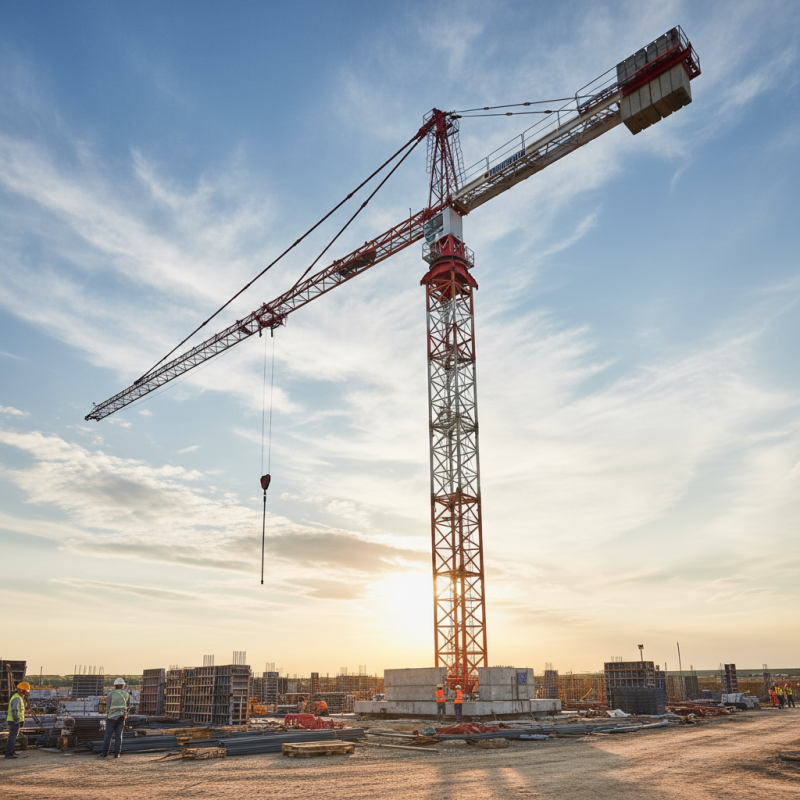
The mast is the towering structure that ensures stability. The jib extends outward, allowing for lifting materials in different directions. The counterweights balance the load, keeping the crane steady. Each part must be in good condition to prevent accidents. A broken part can lead to severe consequences.

Knowledge of the parts of tower crane can improve efficiency. Operators need to recognize signs of wear. Regular inspections are vital in maintaining reliable performance. Investing in quality parts is equally important. Only then can the crane serve its purpose effectively and safely.
Essential Parts Of Tower Crane You Need To Know?

Key Components of a Tower Crane and Their Functions

Tower cranes are crucial for large construction projects. Understanding their key components helps ensure safety and efficiency. The main parts include the tower, the jib, and the controls.

The tower forms the backbone, providing height and stability. Typically made of steel, it can reach impressive heights. The jib extends horizontally, carrying loads. It is essential for maneuvering materials. The crane's controls allow operators to move loads precisely. Recent studies indicate that improper operation can lead to accidents.

Tips: Regular maintenance is key. Inspect the crane thoroughly before use. Ensure all parts are functioning properly. Operator training is vital. Even experienced operators should refresh their knowledge periodically.

The base of the tower must be anchored securely. Unstable ground can cause accidents. Be aware of weight limits to prevent overloading. Following safety protocols is non-negotiable. Collecting data from previous projects can help improve techniques.

Essential Parts Of Tower Crane You Need To Know

Understanding the Tower Crane's Structure and Design

When exploring the structure and design of a tower crane, a few essential components stand out. The base provides stability and supports all other elements. It anchors the crane to the ground, ensuring it can safely lift heavy loads. The mast, a vertical structure, extends upward. It supports the entire crane and gives it height. Without a strong mast, the crane would be prone to tipping.

The jib is another critical part. It extends horizontally and carries the load. Depending on the crane's design, the jib may be fixed or movable. This flexibility helps reach different areas on a construction site. However, the positioning of the jib requires careful calculations to maintain balance. A misplaced jib could lead to accidents and safety issues, highlighting the need for precision in design and operation.

Finally, the hoist mechanism is vital. It allows for the raising and lowering of loads. This mechanism includes pulleys, cables, and a motor. Each part must work seamlessly to prevent failures. Regular inspections are necessary to ensure that all parts function correctly. Mistakes in maintenance can compromise safety, underscoring the importance of diligence in the crane's operation.

The Importance of the Hook and Lifting Mechanism

The hook and lifting mechanism in tower cranes play a critical role in construction projects. These components are essential for ensuring safe and efficient operations on job sites. According to industry reports, around 40% of crane accidents are linked to failures in the lifting mechanism. This statistic underscores the significance of proper maintenance and inspection.

The hook itself is the point of attachment for loads. It must be able to withstand substantial weight. A typical tower crane can lift loads ranging from 1 to 20 tons, depending on its design. The material, size, and design of the hook influence its performance. It's crucial for operators to choose hooks that meet the expected load capacity. Additionally, the lifting mechanism with pulleys and hoists must function seamlessly. Regular checks are essential, as wear and tear can lead to failures.

Inefficiencies in these components can result in project delays. Industry experts recommend conducting inspections every six months. However, many construction sites neglect this crucial step. This oversight can lead to expensive mistakes or safety hazards. Understanding the importance of the hook and lifting mechanism can save time and prevent accidents. Knowledge and proactive maintenance can significantly enhance safety and operational efficiency.

Safety Features and Controls in Tower Cranes

Tower cranes are essential for construction projects, but safety features and controls are critical. These mechanisms protect workers and equipment. According to the Occupational Safety and Health Administration (OSHA), over 50 fatalities occur annually due to crane-related incidents. Proper safety measures can significantly reduce risks.

Key safety features include load moment indicators and anti-collision systems. Load moment indicators monitor the weight being lifted, preventing overload situations. Anti-collision systems ensure cranes do not interfere with each other, reducing the risk of accidents. Regular inspections and maintenance are not just suggestions; they can save lives.

Tip: Always conduct a pre-operation safety check. It’s a small step that can avert major disasters. Training operators on safety protocols enhances awareness and reduces accidents. Remember, equipment failures often stem from human error, underscoring the need for ongoing education.

Regular communication between operators and ground crews is vital. In construction sites, distractions can lead to errors. Simple, clear signals can improve coordination. Prioritizing clear communication fosters a safer work environment and reinforces the importance of vigilance. Establishing a safety culture can lead to fewer incidents and a more efficient workflow.

Essential Parts Of Tower Crane You Need To Know? - Safety Features and Controls in Tower Cranes

Component Description Safety Feature Control Mechanism
Boom The long arm that extends to lift and transport materials. Limit switches to prevent overloading. Joystick control for precise movements.
Cab Enclosed space where the operator controls the crane. Safety harness and seatbelt for the operator. Controls for lifting, lowering, and swinging.
Counterweight Weight added to balance the crane during operations. Designed to prevent tipping or falling. Automatically adjusts positioning based on load.
Outriggers Extending legs to stabilize the crane during lifting. Sensor alerts if outriggers are not deployed. Manual or automated deployment controls.
Hoist Mechanism that lifts and lowers loads. Overload protection systems in place. Remote control option for enhanced safety.

Maintenance Practices for Optimal Tower Crane Performance

Tower cranes are vital in the construction industry. Regular maintenance is essential for their optimal performance. Without proper care, these machines can face significant issues. Inspecting components regularly helps prevent unexpected failures.

Focus on critical parts like the jib and hoist mechanisms. Lubrication should be done frequently to reduce friction. Check wires and cables for signs of wear. A damaged cable can lead to accidents. Running a diagnostic on hydraulic systems is critical. Small leaks can escalate quickly if ignored.

Documentation of maintenance practices is crucial. It helps track performance trends over time. An organized record can highlight recurring issues. This can inform future maintenance strategies. Sometimes, crews overlook minor repairs. These oversights can cause unexpected downtimes. Regular training for operators is also important. It ensures everyone is aware of maintenance protocols.

FAQS

: What are the main components of a tower crane?

: The main components include the tower, jib, and controls. Each part has a specific role in operation.

Why is the tower crucial for a crane?

The tower provides height and stability. It supports the crane and helps lift heavy loads safely.

What does the jib do?

The jib extends horizontally to carry loads. It helps maneuver materials across the construction site efficiently.

How important is operator training?

Operator training is crucial for safety. Operators should refresh their knowledge regularly, regardless of experience.

Why is maintenance necessary for tower cranes?

Regular maintenance ensures all parts function properly. Inspections can prevent accidents caused by malfunctions.

What can happen if the jib is misplaced?

A misplaced jib can lead to accidents. Precision in positioning is crucial for safety on-site.

How does the hoist mechanism work?

The hoist mechanism raises and lowers loads. It includes pulleys, cables, and a motor that must work together smoothly.

What role does the base play?

The base provides stability. It anchors the crane to the ground and supports all other components.

What should be considered about weight limits?

It's essential to be aware of weight limits to prevent overloading. Overloading can cause serious accidents.

How do previous project data contribute to crane safety?

Collecting data from past projects helps improve techniques. Learning from mistakes is key to enhancing safety protocols.

Conclusion

A tower crane is a vital piece of equipment in construction, comprised of various essential parts that work together to facilitate lifting and moving heavy materials. Understanding the key components of a tower crane, such as its structure and design, is crucial for ensuring efficient operation. The hook and lifting mechanism play a significant role in managing loads, while the safety features and controls are critical for protecting both workers and equipment.

Regular maintenance practices are important for optimizing the performance of these machines and prolonging their lifespan. By familiarizing oneself with the essential parts of a tower crane and their functions, operators can enhance their safety and efficiency on the job site. Comprehensive knowledge of these components leads to better handling and increases the overall productivity of construction projects.


Henry

Henry

Henry is a dedicated marketing professional with a profound expertise in the company's offerings. With years of experience in the industry, he possesses an impressive understanding of the market dynamics and consumer behaviors that drive success. Henry is committed to sharing his insights through......