How to Choose the Best Tower Crane for Your Project?

Time:2026-07-24 Author:Ethan
0%

Choosing the right Tower Crane for a construction project is crucial. The type and model can significantly impact safety, efficiency, and costs. Each project has unique requirements, so a one-size-fits-all approach is insufficient. Understanding your project's scope helps in selecting the best equipment for lifting materials.

Different Tower Cranes offer varying capabilities. Factors like height, load capacity, and reach play vital roles. A larger Tower Crane may seem appealing but can lead to unnecessary expenses. Selecting an appropriate model helps avoid complications later. Not considering ground conditions can also cause issues.

Experts emphasize the importance of planning and research. Gather insights from professionals with hands-on experience. Their advice can guide you to make informed decisions. Reflecting on past projects can provide valuable lessons. A well-chosen Tower Crane enhances productivity and safety on-site. It can be the difference between a successful project and costly delays.
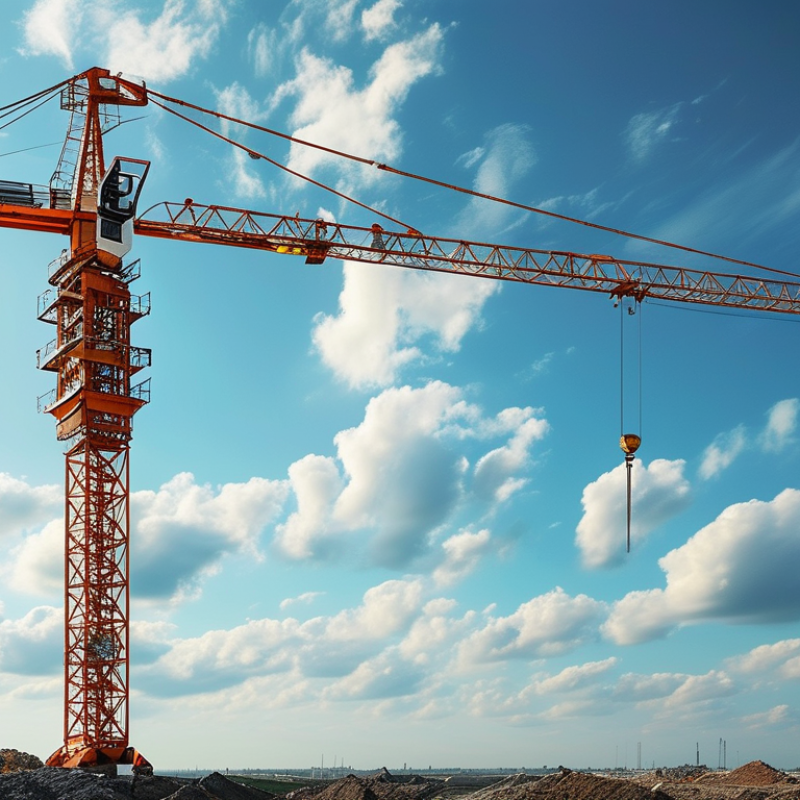
How to Choose the Best Tower Crane for Your Project?

Factors to Consider When Selecting a Tower Crane

Selecting the right tower crane is crucial for any construction project. Several factors influence this decision. Start by evaluating the site conditions. Is it urban or rural? What is the ground's stability? These details affect the crane's base and setup.

Next, consider the load capacity. Analyze the heaviest materials you will lift. Understand the crane's reach and height. It must be suitable for your building specifications. Additionally, think about the project's duration. A temporary project may require different features from a long-term one.

Don’t overlook the operator’s experience. An inexperienced operator can lead to accidents. Ensure that your team has the necessary training. Also, pay attention to maintenance and support. Regular checks can prevent breakdowns. A crane's reliability is vital, especially in tight schedules. Ponder these aspects carefully, as they can make or break your project.

Types of Tower Cranes Available on the Market

When selecting a tower crane for your project, understanding the types available in the market is crucial. Tower cranes vary in design and capacity, which directly impacts their suitability for different construction needs. You’ll find types like static, climbing, and luffing cranes. Static cranes remain fixed to the ground and are great for high-rise buildings. Climbing cranes, on the other hand, are adaptable for taller structures. They can climb as the building grows, saving time and space.

Additionally, luffing cranes are ideal for tight sites. They can move their jib up and down, preventing interference with surrounding structures. Each crane type has unique characteristics. Consider the weight capacity, height, and reach when choosing. It's important to reflect on your project requirements. Oversizing or undersizing can lead to inefficiencies.

Choosing the right crane also involves understanding site logistics. Ground conditions and available space play critical roles. Not all cranes fit all sites seamlessly. You may encounter transport challenges or assembly issues. Ensure you weigh these factors carefully before making a decision. Always seek expert advice to find the best match. Planning ahead can prevent wasted time and resources.

Evaluating Load Capacity and Lifting Height Requirements

When selecting a tower crane, understanding load capacity and lifting height is critical. Each project has unique demands. Analyzing these needs ensures the right crane choice. Load capacity refers to the maximum weight a crane can lift. It varies significantly among different models. Assess the heaviest materials you will be using. Overestimating requirements can lead to unsafe conditions.

Lifting height is equally important. Evaluate the highest point your materials need to reach. Consider the building's height and obstructions in the area. A crane that cannot meet these specifications can delay construction. When in doubt, consult with project engineers. They offer insights into the required load and height, tailored to your specific project needs.

Mistakes can happen during crane selection. A wrong choice can lead to costly delays or safety issues. Keep in mind that each site comes with its challenges. Regular site assessments can help ensure your crane selection aligns with project dynamics. Rely on professional advice, but double-check assumptions. It's always better to be cautious.

Load Capacity vs Lifting Height of Tower Cranes

Assessing Site Conditions and Accessibility for Crane Installation

When choosing a tower crane, assessing site conditions and accessibility is crucial. Studies show that nearly 70% of crane accidents are linked to poor site evaluations. This statistic highlights the importance of meticulous planning before installation. Start by analyzing the ground composition. Weak soil can lead to instability. Using soil tests can help identify potential issues and allow for appropriate foundation design.

Accessibility is another critical factor. The crane must reach the entire work area without obstruction. Consider nearby structures, trees, and power lines. If access routes are too narrow, transportation of the crane components might become problematic. A report from the Construction Industry Institute noted that poor accessibility can increase project costs by up to 20%.

Finally, it is essential to create a detailed site plan. This plan should include all relevant measurements and potential hazards. Lack of attention to detail can lead to delays and safety risks. Regular site inspections are necessary to adapt to any changes. It’s vital to be flexible and ready to modify plans based on ongoing assessments and site conditions.

How to Choose the Best Tower Crane for Your Project? - Assessing Site Conditions and Accessibility for Crane Installation

Criteria Description Importance (1-5)
Site Size Assessing the total area available for crane operation. 5
Ground Stability Evaluating soil and ground conditions to ensure safety. 5
Accessibility Ease of bringing the crane to the site and maneuvering. 4
Height Requirements Determining the necessary lifting height for the project. 4
Load Capacity Estimating the maximum load the crane needs to lift. 5
Local Regulations Understanding laws and regulations affecting crane operation. 4
Transportation Logistics Planning the transport of the crane to the site. 3

Understanding Safety Regulations and Compliance Standards

Choosing the right tower crane involves more than just technical specifications. Safety regulations and compliance standards are critical factors. These rules ensure that cranes operate safely on job sites. Familiarizing yourself with these guidelines is essential before making a selection.

Each region may have different safety regulations. Understanding the specific requirements in your area can prevent future complications. For instance, load limit certifications and wind speed restrictions are common. Always check the crane's compliance with local safety regulations. It can save you from legal headaches later.

Regular inspections are a must. Even if a crane meets safety standards, continuous monitoring is vital. Crews should conduct daily checks before each operation. Documenting any issues can help maintain a reliable safety record. Stay updated on changes in compliance standards. Adapting to new regulations can sometimes feel overwhelming. However, it is necessary for the safety of all workers involved.

FAQS

: What factors should I consider when selecting a tower crane?

: Evaluate site conditions, load capacity, height requirements, and operator experience to make a suitable choice.

How does site condition affect crane selection?

Site type, whether urban or rural, impacts the crane's base and setup significantly.

Why is understanding load capacity important?

Load capacity defines the maximum weight a crane can lift. Overestimating can lead to unsafe situations.

What aspects should I analyze regarding lifting height?

Consider the highest point your materials need to reach and any nearby obstructions.

How can operator experience impact crane safety?

An inexperienced operator can lead to accidents. Training is essential for safe operation.

What role do safety regulations play in crane selection?

Familiarizing with local safety regulations can prevent legal issues and ensure safe operation.

Why is regular inspection necessary for cranes?

Continuous monitoring and daily checks help maintain safety and reliability on job sites.

What happens if I neglect compliance standards?

Neglecting compliance can result in legal headaches and compromise worker safety.

How can project dynamics affect crane selection?

Each construction site has specific challenges, making regular assessments crucial for appropriate crane choice.

What should I do if I'm unsure about crane specifications?

Consult with project engineers to tailor load and height requirements to your project's needs.

Conclusion

When selecting the best tower crane for your project, several factors must be considered to ensure optimal performance and safety. Key considerations include evaluating different types of tower cranes available on the market, which can cater to various lifting and site requirements. Understanding load capacity and lifting height is crucial, as these specifications determine the crane's ability to handle materials effectively.

Additionally, assessing the site conditions and accessibility is essential for proper crane installation and operation. It's important to ensure that the chosen tower crane complies with relevant safety regulations and standards to protect workers and the surrounding environment. By carefully evaluating these aspects, you can choose a tower crane that best meets the needs of your construction project.


Ethan

Ethan

Ethan is a seasoned marketing professional with a deep expertise in our company's innovative product line. With a passion for sharing knowledge and insights, he takes the lead in regularly updating our corporate blog, where he explores industry trends, product features, and effective marketing......