How to Choose the Best Hammerhead Tower Crane?

Time:2026-10-24 Author:Aria
0%

Choosing the best Hammerhead Tower Crane is not a simple capacity comparison. It is a project-risk decision involving height, radius, lifting cycles, wind exposure, and site congestion. A crane that looks powerful on paper may become inefficient beside a hospital, highway, or narrow urban boundary.

The global construction outlook supports careful equipment planning. Global Construction Perspectives and Oxford Economics projected substantial worldwide construction growth through 2030. This growth increases demand for reliable lifting systems and qualified operators. Deloitte’s 2024 Engineering and Construction Industry Outlook also highlights labor shortages, productivity pressure, and the need for digital project controls. These pressures make precise crane selection more valuable.

Safety data deserves equal attention. The International Labour Organization identifies construction as a high-risk industry, with serious injuries often linked to poor planning, equipment failure, and unsafe work practices. OSHA’s Cranes and Derricks in Construction standard, 29 CFR Part 1926 Subpart CC, emphasizes rated capacity, inspections, assembly, and operator competence. European projects may also reference EN 14439 for tower crane safety requirements.

A practical choice begins with the load chart, not the brochure. Consider a 1,200-kilogram façade panel at a 50-meter radius. The crane must still perform safely after wind limits, accessories, and dynamic effects reduce available capacity. Foundation design, tie-in spacing, power supply, transport access, and maintenance response also matter.

Some buyers still focus too heavily on maximum tonnage. That is a weakness. Real productivity depends on balanced performance, not impressive headline figures. This guide examines the evidence, specifications, site conditions, and supplier support needed to select a Hammerhead Tower Crane with greater confidence. Mistakes remain possible, but disciplined comparison reduces expensive surprises.
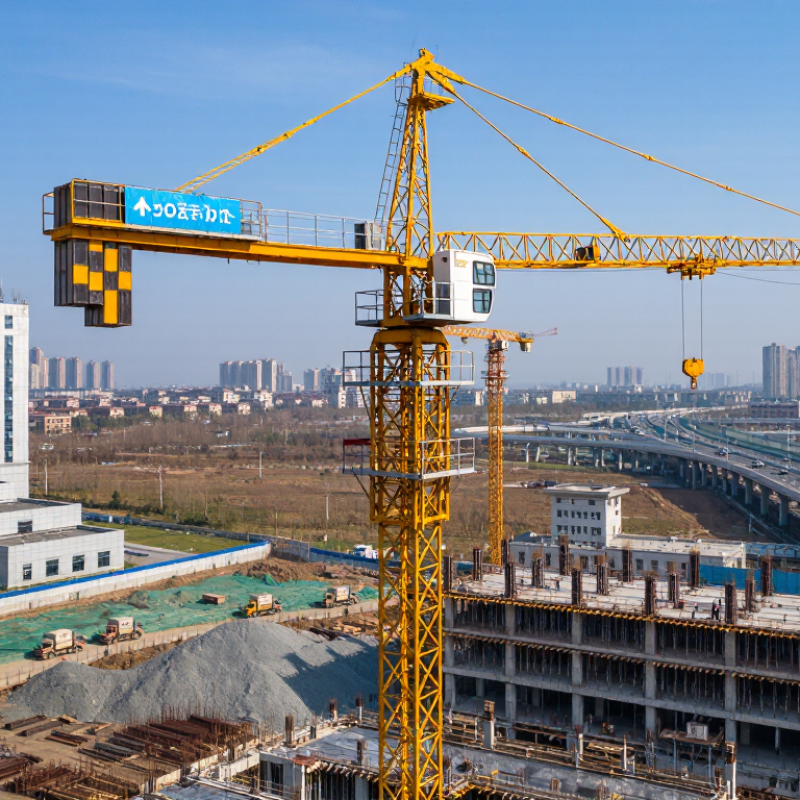
How to Choose the Best Hammerhead Tower Crane?

Understanding Hammerhead Tower Crane Design and Applications

Choosing the best hammerhead tower crane starts with understanding its structure. A horizontal jib extends from the tower, while a trolley moves loads along the jib. This layout gives operators a broad working radius. It also keeps the tower footprint relatively compact. The counter-jib balances lifted loads and houses counterweights, machinery, and control equipment. Every component affects stability. Small details matter.

On a high-rise site, I would examine the load chart, peak radius, lifting frequency, and foundation space. A crane may lift eight tonnes near the tower but far less at the jib tip. That difference is easy to overlook. Wind exposure, building height, nearby structures, and access routes also shape the design. Tie-in frames may be required as the building rises. The foundation must transfer vertical and horizontal forces into verified ground conditions. The ground decides.

Applications range from apartment construction to industrial plants and bridge assembly. Hammerhead cranes suit projects needing several lifting points without constant relocation. Their fixed geometry can improve cycle times, yet it demands careful planning around blind zones and suspended-load paths. I would require certified operators, scheduled inspections, tested limit devices, and clear communication procedures. My own preference is not always the best answer. A larger crane can waste money, while a smaller one may create unsafe delays. Review the plan with a qualified engineer before selecting capacity, height, and anchorage details.

Assessing Load Capacity, Height, and Working Radius Requirements

How to Choose the Best Hammerhead Tower Crane?

A hammerhead tower crane should match the site, not just the heaviest planned lift. Review the load chart with a qualified lifting engineer. A 10-ton concrete panel at 20 meters may exceed the crane’s rating at the boom tip. Capacity changes with radius, trolley position, counterweight, and reeving arrangement. Record the heaviest load, its dimensions, and all lifting accessories. Include dynamic effects from starting, stopping, and wind. Small oversights become expensive.

Height needs more than building elevation. Measure the foundation level, highest lifting point, and clearance from roofs, scaffolds, and nearby structures. Check whether the crane must climb as the structure rises. Tie locations need early coordination with structural engineers. A narrow urban site may require a shorter mast with carefully planned internal climbing. Allow space for maintenance access and safe assembly. I have seen schedules fail because height was treated as a single number.

Working radius controls daily productivity. Map delivery trucks, storage zones, and every set-down area before selection. The jib should reach critical points without constant repositioning. Yet maximum radius can reduce available capacity sharply. Use a site plan, not an estimate. Review wind exposure, power supply, ground conditions, and operating restrictions with competent personnel. A preliminary choice may still prove wrong after a detailed survey. That is useful evidence, not wasted effort.

Comparing Crane Configurations, Features, and Technical Specifications

How to Choose the Best Hammerhead Tower Crane?

Choosing a hammerhead tower crane starts with the jobsite, not the catalog. Compare the crane’s configuration with the building footprint, lifting radius, and available foundation space. A flat-top or hammerhead design can support multiple cranes efficiently, but overlapping working zones require careful planning. Check the maximum load near the tower and the reduced capacity at the jib tip. This difference is often underestimated.

Review the technical specifications closely. Important figures include maximum lifting capacity, rated load moment, jib length, hoisting speed, trolley speed, and slewing range. A shorter jib may provide stronger lifting performance, while a longer jib can reach distant façades. Confirm mast height, tie-in requirements, electrical demand, and wind limits. The crane must also match local engineering calculations and documented safety requirements. A polished data sheet is not enough.

Tips: Compare load charts, not only headline capacity. Ask for foundation reactions and assembly dimensions. Check whether components fit through site access routes.

Listen for unstable braking or unusual vibration during inspection. Small details matter. I would also review maintenance access and control visibility before choosing.

Some specifications look impressive, yet they may not suit a narrow urban site or a project with frequent repositioning. A second technical review can expose assumptions missed during the first evaluation.

Evaluating Site Conditions, Safety Systems, and Installation Needs

How to Choose the Best Hammerhead Tower Crane?

Site conditions should guide the crane choice, not only lifting capacity. Check soil bearing pressure, groundwater, wind exposure, access routes, and nearby structures. OSHA’s crane standard, 29 CFR 1926.1402, requires ground conditions to support the crane safely. A geotechnical report should confirm foundation depth and allowable pressure. Do not rely on visual inspection alone. Wet soil can look firm until loading begins.

Safety systems need practical evaluation. Confirm overload protection, emergency stops, anti-collision controls, anemometers, and load-moment indicators. The International Labour Organization reported 2.93 million work-related deaths and 395 million non-fatal injuries globally in 2019. That figure is not crane-specific, but it shows why layered controls matter. Check inspection records against relevant standards, such as EN 14439 or ASME B30.3. Test alarms in realistic site noise. Small details matter.

Installation planning is often underestimated. Review transport dimensions, erection clearances, anchor positions, power supply, and dismantling access before ordering equipment. The tower sections may fit the drawing but fail at the gate. I have seen schedules treat wind limits as minor delays; that assumption deserves criticism. Installation must include qualified personnel, lift plans, exclusion zones, and weather monitoring. Manufacturer instructions should be matched with an independent engineering review. Paperwork can be complete, yet the sequence may still be unsafe.

Selecting a Reliable Manufacturer and Estimating Total Ownership Costs

How to Choose the Best Hammerhead Tower Crane?

Selecting a reliable manufacturer starts with evidence, not polished brochures. Request load charts, factory test records, service-response data, and references from comparable projects. The crane should meet applicable standards, such as EN 14439, while its controls and safety systems should suit local site conditions. Ask who supplies spare parts after five years. That answer matters.

Estimate total ownership cost before comparing purchase prices. Include transport, foundation design, erection, commissioning, operators, electricity, inspections, insurance, financing, dismantling, and resale value. RICS NRM 3 identifies operation, maintenance, renewal, and end-of-life costs as essential whole-life categories.

KPMG’s 2023 Global Construction Survey reported cost overruns on 37% of major projects, showing why early allowances deserve attention. A simple spreadsheet can expose hidden costs. It may also expose weak assumptions.

Maintenance intervals should match the manufacturer’s technical documentation and actual site workload. A heavily used crane needs more than a standard calendar plan. The International Energy Agency reports that construction equipment efficiency improves through electrification and better energy management, but local power quality still matters.

Measure expected lifting cycles, idle hours, peak power demand, and technician travel. Then test the calculation against a previous project.

My own caution is simple: resale value is often guessed too generously. Use conservative figures, include a contingency, and compare ownership with a credible rental alternative.

FAQS

How should I assess the crane’s required lifting capacity?

Record the heaviest load, dimensions, lifting accessories, radius, and trolley position. Review the load chart with a qualified lifting engineer. A 10-ton panel at 20 meters may exceed capacity near the boom tip. Small oversights cost money.

Why does working radius matter so much?

Capacity can fall sharply as the trolley moves toward the boom tip. Map delivery trucks, storage zones, and set-down areas on a detailed site plan. The jib should reach key points without constant repositioning. An estimate may mislead.

How should I determine the required crane height?

Measure foundation level, the highest lifting point, and nearby clearance obstacles. Include roofs, scaffolds, structures, maintenance access, and safe assembly space. Internal climbing may suit a narrow site. Height is not one number.

What ground conditions must be checked before selection?

Confirm soil bearing pressure, groundwater, foundation depth, and allowable loading. A visual inspection cannot reliably identify weak or wet soil. A geotechnical report provides stronger evidence. Wet ground can deceive.

Which safety systems deserve practical testing?

Check overload protection, emergency stops, collision controls, wind-speed instruments, and load-moment indicators. Test alarms in realistic construction noise. Review inspection records against applicable safety requirements. Paperwork alone is not enough.

How does wind affect tower crane planning?

Review wind exposure, operating limits, weather forecasts, and local site restrictions. Strong winds can delay lifting and change the safe work sequence. Treat weather limits as planning factors, not minor inconveniences. Schedules often underestimate this.

What installation details should be confirmed before ordering?

Check transport dimensions, gate access, erection clearances, anchor positions, power supply, and dismantling routes. Tower sections may fit the drawing but fail at the entrance. Include qualified personnel, lift plans, exclusion zones, and weather monitoring. Drawings can miss reality.

How can I avoid choosing a crane too early?

Start with a preliminary selection, then complete a detailed site survey. Compare capacity, height, radius, ground conditions, access, and installation requirements. A first choice may still prove wrong. That result is useful evidence.

Conclusion

Choosing the best Hammerhead Tower Crane requires a clear understanding of the project’s lifting demands, site conditions, and long-term operating goals. Begin by reviewing the crane’s design and typical applications, then determine the required load capacity, lifting height, working radius, and duty cycle. These factors will help narrow the selection to a suitable configuration and prevent performance limitations during construction.

Next, compare technical specifications such as jib length, hoisting speed, trolley movement, control systems, power requirements, and available safety features. Evaluate foundation conditions, access for transportation, assembly space, wind exposure, and installation procedures before making a final decision. A reliable manufacturer should provide accurate documentation, professional technical support, quality components, and dependable after-sales service. Finally, estimate total ownership costs, including transportation, installation, inspection, maintenance, energy use, operator training, and eventual dismantling. A balanced evaluation of performance, safety, service, and cost will help ensure the selected crane delivers stable productivity throughout the project.


Aria

Aria

Aria is a dedicated marketing professional with a deep passion for innovative strategies and a keen understanding of our company's product offerings. With a wealth of experience in the industry, Aria excels at crafting engaging content that highlights the unique features and benefits of our......