How to Choose the Best Self Erecting Tower Crane for Your Project?

Time:2026-08-28 Author:Isabella
0%

Choosing the right Self Erecting Tower Crane is critical for project success. The crane industry is experiencing growth, with market reports indicating an expected 4.5% annual growth rate through 2025. Experts emphasize the importance of making informed choices. John Smith, a renowned industry specialist, states, "A well-chosen Self Erecting Tower Crane can significantly enhance productivity and safety on site."

Selecting a Self Erecting Tower Crane involves several considerations. Factors include project size, site conditions, and load capacity. Understanding these elements can lead to more effective decision-making. A poorly selected crane may lead to delays and increased costs. According to the National Crane Association, improper equipment choices result in 22% of construction project delays.

Moreover, staying updated on technology and innovation is crucial. The evolution of Self Erecting Tower Cranes introduces features that improve efficiency. Yet, these advanced options can also add complications. It's essential to weigh benefits against potential drawbacks. Many contractors face challenges in balancing performance with practical needs. Careful assessment can help mitigate risks and maximize project effectiveness.
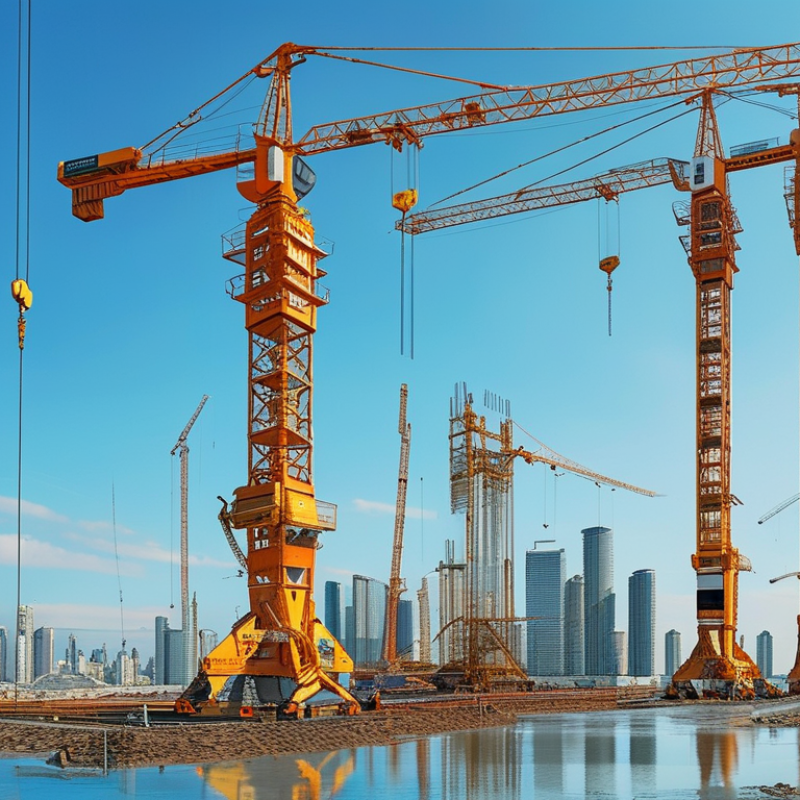
How to Choose the Best Self Erecting Tower Crane for Your Project?

Understanding Self Erecting Tower Cranes: An Overview

Self erecting tower cranes are vital for various construction projects. They offer flexibility and efficiency. Understanding their mechanics helps in choosing the right model. These cranes can be assembled on-site, which saves time. They usually have a smaller footprint, making them ideal for urban environments. Yet, they demand skilled operators for safe handling.

The design of self erecting tower cranes allows for quick setup. They often have automated features that enhance safety. However, reliance on technology can introduce risks. It's crucial to ensure operators are well-trained. Regular maintenance is essential to avoid equipment failure. Ignoring these details can lead to costly delays.

Choosing the best self erecting tower crane requires careful consideration. Evaluate the project size and height requirements. Always think about the weight capacity needed. The crane's reach is another important factor. It's advisable to reflect on these aspects thoroughly. Making informed decisions is key to project success.

Comparison of Self Erecting Tower Crane Height and Lifting Capacity

Key Factors to Consider When Selecting a Tower Crane

Selecting the right self-erecting tower crane for your project involves various key considerations. Firstly, analyze the site conditions and height requirements. You'll need to assess the structure of the site, including the ground type and space available. A crane that is too heavy for soft soil can lead to instability. The height of nearby structures is also a crucial factor since it influences the crane's lift capacity and range.

Next, consider the crane's lifting capacity and reach. Think about the maximum load you'll be moving and the distance it must be transported. A crane with insufficient lifting strength can delay your project. Reflect on the types of materials you'll handle; heavier loads necessitate stronger cranes. Additionally, the ease of operation and setup is vital. Operators need adequate training to manage specific models safely and effectively.

Don't overlook the importance of safety features. Modern cranes are equipped with various safety systems. These can prevent overloading and ensure stability. It is essential to understand how these features work. Lastly, consider your budget and project timeline. Price can be a defining factor, yet opting for a cheaper model may raise safety concerns. Always balance cost against quality and reliability.

Evaluating Project Requirements and Site Conditions

Choosing the right self-erecting tower crane hinges on understanding your project's specific requirements and site conditions. With construction sites comprising unique factors, an in-depth evaluation is essential. Recent industry reports show that 70% of crane-related delays stem from mismatched equipment to site conditions. Failing to assess ground stability, height restrictions, and surrounding structures can lead to costly setbacks.

Understanding the project’s height needs is crucial. For instance, if your site requires lifting materials to over 100 feet, selecting a crane with a high maximum lift height is vital. Additionally, 80% of successful crane operations cite adequate planning for power sources and space for extended reach. Even the best equipment falters if there isn't enough space for maneuvering or the local wind conditions are unfavorable.

Site accessibility also plays a significant role. If access roads are narrow, crane setup time increases. About 60% of operators report delays due to inaccessible areas. It's essential to gather precise data on the job site before determining crane specifications. Addressing these factors diligently ensures a smoother operation and can save significant resources.

How to Choose the Best Self Erecting Tower Crane for Your Project? - Evaluating Project Requirements and Site Conditions

Criteria Description Importance Level Notes
Load Capacity Evaluate the maximum load the crane can handle. High Ensure it meets project weight requirements.
Height Consider the height needed for construction activities. High Verify site layout and clearance.
Setup Time Assess how long it will take to erect the crane. Medium Delay in setup may impact project timeline.
Mobility Determine if a mobile or fixed crane is more suitable. Medium Mobile cranes can save time if site conditions change.
Site Conditions Evaluate if the ground and surrounding environment can accommodate the crane. High Check for underground utilities and soil quality.

Comparing Different Models and Brands in the Market

When selecting a self-erecting tower crane, it's essential to consider various models and brands available. The market offers cranes with different lifting capacities and heights. You should analyze specific project requirements. Some cranes excel at intricate urban sites while others are ideal for large-scale constructions.

Each brand has its unique features. Certain models may have user-friendly control systems, which can minimize training time. Others might be designed for rapid setup. It's also crucial to evaluate the crane's reliability and ease of maintenance. An error here can lead to downtime and increased costs during your project.

Feedback from industry professionals can be invaluable. Recommendations can lead you to reliable models. However, user experiences can vary widely. Some features may perform well in theory but underperform in practice. Test different models to find what aligns with your project's demands. Investing time in comparisons can save serious headaches later on.

Safety Features and Regulations for Tower Cranes

When selecting a self-erecting tower crane, safety features must be a priority. According to industry data, approximately 55% of construction accidents involve crane-related incidents. Highlighting safety regulations is crucial to prevent such incidents. Most countries enforce safety standards, such as the ANSI/ASME B30.3 for tower cranes. Compliance with these regulations ensures that the crane operates safely.

Key safety features include overload protection systems and automatic shutoff mechanisms. These features can prevent accidents due to excessive loads. A report from the National Institute for Occupational Safety and Health notes that cranes with effective safety systems can reduce accident rates by up to 40%. Regular inspections are essential, yet 30% of construction sites fail to conduct them consistently. This oversight can result in unsafe operating conditions.

Additionally, understanding the environment where the crane will operate is vital. Changing weather conditions can affect crane stability. Historical data shows that approximately 70% of crane-related accidents occur in severe weather. This points to the need for cranes equipped with modern monitoring systems. Investing in these technologies contributes to both safety and compliance with regulations. Ignoring such details could make projects riskier than anticipated.

FAQS

: What should I analyze when selecting a tower crane?

: Assess site conditions, including ground type, space, and nearby structures.

Why is the crane's lifting capacity important?

It must match the maximum load and transport distance. Insufficient capacity can cause delays.

How can safety features impact crane selection?

Safety systems prevent overloading and ensure stability. Understand how these features function.

What role does site accessibility play?

Narrow access roads can increase setup time and cause delays. Gather precise data on your site.

How can I compare different crane models effectively?

Look at their lifting capacities and features. Each model serves different project needs.

Is brand reputation the only consideration?

No, user experiences can vary. Test various models to ensure they fit your project.

Why is operator training crucial for crane operation?

Operators need adequate training for safe and effective management of specific crane models.

How can budget affect crane selection?

Lower-priced models may raise safety concerns. Balance cost against quality and reliability.

What common mistakes should I avoid when selecting a crane?

Ignoring site conditions can lead to costly setbacks. Always assess ground stability and height needs.

How does planning for power sources impact crane operations?

Adequate planning ensures sufficient power for operation. Poor planning can stall the project.

Conclusion

Choosing the best self erecting tower crane for your project requires a thorough understanding of its features and capabilities. Self erecting tower cranes offer flexibility and ease of setup, making them ideal for various construction tasks. When selecting a tower crane, it is crucial to consider key factors such as lifting capacity, height, and reach, as well as the specific requirements of your project and the site conditions.

To ensure safety and compliance, evaluate the regulations and safety features associated with tower cranes. By comparing different models and brands, you can find a self erecting tower crane that meets your operational needs while adhering to safety standards. Proper assessment of these elements will help optimize your construction process and enhance overall project efficiency.


Isabella

Isabella

Isabella is a dedicated marketing professional with a sharp focus on driving brand growth and engagement through strategic content creation. With an extensive background in digital marketing, she combines her passion for storytelling with her keen understanding of industry trends to deliver......