Why Choose a Self Erecting Tower Crane for Your Project?

Time:2026-05-13 Author:Madeline
0%

When it comes to construction projects, the choice of equipment is crucial. A Self Erecting Tower Crane offers unique advantages that can enhance efficiency. These cranes stand out for their ease of setup and versatility. They minimize the need for ground space, which is valuable in urban settings.

Self Erecting Tower Cranes can significantly reduce labor costs. Their automated systems allow for quicker lifting and positioning of heavy materials. This technology can save time, but it may also require skilled operators. Misinterpretation of controls can lead to potential risks, highlighting the importance of proper training.

Choosing a Self Erecting Tower Crane involves consideration of project size and timeline. These cranes are ideal for mid to large-scale projects. However, they may not be suitable for all environments. Assessing site conditions is vital to ensure safety and success. While their efficiency is impressive, challenges may arise if the operator lacks experience. The right choice can lead to streamlined operations and high productivity.
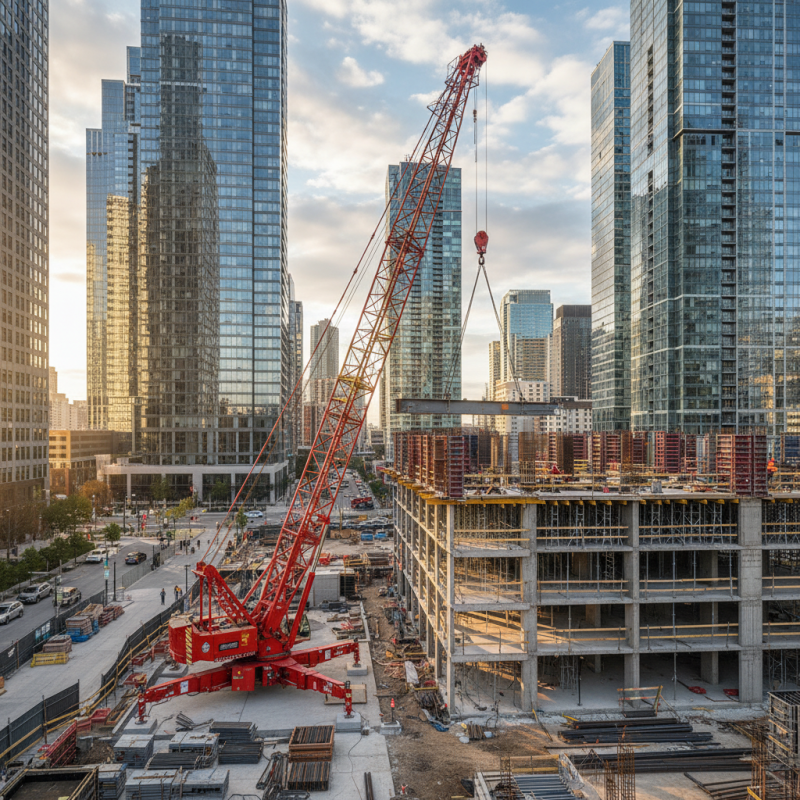
Why Choose a Self Erecting Tower Crane for Your Project?

Factors to Consider When Choosing a Crane for Your Project

When selecting a crane for your construction project, several key factors come into play. Assessing the type of project is essential. Consider the site conditions, project height, and load requirements. A self erecting tower crane is beneficial for tight spaces where traditional cranes may not fit. Its compact design and mobility make it adaptable to various environments.

The ease of setup is another crucial aspect. Self erecting tower cranes can be set up quickly without extensive groundwork. This speed can significantly reduce project timelines. However, it's important to note that not all projects may benefit from this efficiency. For instance, larger projects with significant lifting demands might require more robust alternatives.

Safety and stability also warrant consideration. Self erecting tower cranes must be properly anchored and leveled. Failure to ensure these can lead to unforeseen accidents. It's essential to engage with experienced operators who understand these nuances. Their expertise can help identify potential risks and improve overall project reliability.

Advantages of Self Erecting Tower Cranes over Traditional Cranes

Self-erecting tower cranes have gained significant popularity in recent years. They offer distinct benefits over traditional cranes. One key advantage is their ease of setup. According to industry reports, self-erecting models can be operational within a matter of hours, while traditional cranes may take days. This time efficiency can lead to considerable cost savings on projects.

Another point to consider is the compact design of self-erecting cranes. They can operate in tighter spaces. This is crucial for urban construction sites where space is limited. A study revealed that using a self-erecting crane can reduce the footprint needed for equipment by up to 30%. This allows for better site organization and productivity.

However, some issues merit consideration. For instance, self-erecting cranes may have load limitations compared to their traditional counterparts. It is important to assess whether these constraints fit the specific needs of a project. Additionally, while they offer efficiency, operators require proper training to maximize safety and effectiveness. Balancing these factors is essential when deciding on equipment.

Cost-Effectiveness of Self Erecting Tower Cranes in Construction

Self erecting tower cranes have gained popularity in construction due to their cost-effectiveness. According to a study by the International Council of Association for Economic Development, using self erecting cranes can reduce labor costs by up to 30%. This significant savings stems from their ability to be set up quickly without the need for extensive rigging. When time is money, this efficiency becomes invaluable on any job site.

Moreover, self erecting cranes require less space compared to traditional models. This is particularly beneficial in urban areas where job site space is limited. A report from the Construction Industry Institute highlighted that smaller footprint cranes can lead to a 20% reduction in overhead costs. Projects that utilize these cranes, therefore, maximize available space and improve overall project flow.

Still, it's crucial to consider logistics. While self erecting cranes are cost-effective, they might not be suitable for every project. Site conditions vary greatly, and complications can arise. Projects with high wind conditions or complex site layouts could pose challenges. Therefore, careful assessments are necessary to determine if such cranes align with project demands. Understanding these factors ensures a balanced approach to crane selection.

Versatility and Flexibility of Self Erecting Tower Cranes

Self erecting tower cranes have transformed the construction landscape. Their versatility and flexibility make them an ideal choice for various projects. These cranes can be quickly assembled and disassembled, significantly reducing operational downtime. According to industry data, projects utilizing self erecting tower cranes experienced up to a 30% increase in productivity. This efficiency is crucial for meeting tight project deadlines.

One of the key advantages is their ability to operate in confined spaces. Unlike traditional cranes, self erecting models can be set up without requiring extensive ground space. This feature is invaluable in urban environments, where space is limited. A report by the Construction Industry Institute indicated that projects in urban areas using self erecting cranes reported a 25% reduction in site congestion.

However, challenges remain. Proper training is essential for operators to maximize the potential of these cranes. Misjudgments during setup can lead to inefficiencies. Regular inspections and maintenance are also critical to ensuring operational reliability. The complexities involved necessitate a thorough understanding of both the equipment and the project’s requirements. Balancing these factors can lead to more successful construction outcomes.

Safety Features of Self Erecting Tower Cranes in Construction Projects

Self-erecting tower cranes are changing how we approach construction projects. Their safety features stand out in today's industry. These cranes often come equipped with multiple sensors for overload and stability. This ensures that they operate within safe limits, reducing accidents.

Moreover, self-erecting tower cranes have a built-in safety shutdown system. If something goes wrong, the crane will stop immediately. This can prevent serious injuries on construction sites. Operators can easily monitor key metrics, allowing for quick decision-making. You might wonder about the expertise required to operate such machines. While training is essential, modern controls make it easier to manage.

There are instances where reliance on technology has its drawbacks. A sudden failure in electronic systems can pose risks. Workers need to be vigilant, even with advanced machinery. Regular maintenance checks can help identify issues before they escalate. It's essential to remember that safety is a shared responsibility on site.

Why Choose a Self Erecting Tower Crane for Your Project? - Safety Features of Self Erecting Tower Cranes in Construction Projects

Feature Description Benefit
Automatic Erection These cranes can set themselves up without needing additional equipment. Reduces setup time and labor costs.
Stability Features Equipped with outriggers and a low center of gravity. Enhanced stability while lifting heavy loads.
Remote Control Operation Operated from a safe distance using remote control systems. Minimizes risk to operators in hazardous environments.
Load Monitoring Systems Integrated sensors that monitor load weight in real-time. Prevents overloads and increases operational safety.
Emergency Stop Mechanism Features a quick-activation stop function to halt operations immediately. Enhances safety in critical situations.
Wind Speed Monitoring Equipped with anemometers to measure wind speeds. Ensures safe operation under varying weather conditions.

FAQS

: What should I assess when choosing a crane for a construction project?

: Consider the project type, site conditions, height, and load requirements.

Why is the setup speed of self erecting tower cranes important?

Quick setup reduces project timelines but may not suit larger projects with high lifting demands.

How do self erecting tower cranes fit in tight spaces?

Their compact design and mobility allow them to adapt to various environments efficiently.

What safety features do self erecting tower cranes have?

They include overload sensors, stability sensors, and a built-in safety shutdown system.

What expertise is required to operate self erecting tower cranes?

While training is crucial, modern controls make it easier for operators.

What risks are associated with relying on technology for crane operations?

A sudden electronic failure can occur, posing risks. Workers must remain vigilant.

How can regular maintenance benefit crane operations?

Maintenance checks can identify issues before they escalate, enhancing safety.

Why is operator experience important for crane safety?

Experienced operators understand nuances that can help reduce potential risks.

What can happen if cranes are not properly anchored?

Improper anchoring can lead to accidents, which can affect project reliability.

Is safety solely the responsibility of operators?

No, safety is a shared responsibility on site that involves all workers.

Conclusion

The article titled "Why Choose a Self Erecting Tower Crane for Your Project?" delves into the various aspects that make Self Erecting Tower Cranes an ideal choice for construction projects. Key factors to consider include site accessibility, weight limitations, and project scale, which can heavily influence crane selection. Self Erecting Tower Cranes offer numerous advantages over traditional cranes, such as reduced setup time and less reliance on external machinery, enhancing overall project efficiency.

Furthermore, these cranes are cost-effective, contributing to savings on labor and operational expenses. Their versatility allows for application in various types of projects, while their design incorporates advanced safety features, ensuring a secure working environment. Overall, Self Erecting Tower Cranes represent a modern solution tailored to meet the demands of contemporary construction.


Madeline

Madeline

Madeline is a dedicated marketing professional with a wealth of expertise in our company's core offerings. With a keen understanding of the industry, she brings a unique perspective to her role, consistently delivering high-quality content that highlights the superior aspects of our products. As......