In the bustling world of construction, choosing the right equipment is crucial. One option gaining popularity among global buyers is the Used Small Tower Crane. These cranes offer a blend of affordability and efficiency. Their compact size makes them ideal for tight spaces. Additionally, they provide significant lifting capacity, meeting various project needs.
While many buyers seek the best deal, it's essential to consider factors beyond price. Not all used cranes are created equal. Buyers must carefully assess the crane's condition, history, and maintenance records. Often, an attractive price tag may hide underlying issues, leading to costly repairs. Engaging with reputable suppliers and seeking expert advice can mitigate these risks.
Purchasing a Used Small Tower Crane can indeed be rewarding. However, potential buyers should remain vigilant. They should conduct thorough research and evaluate their specific requirements. This approach can lead to informed decisions and successful projects. Finding a reliable crane that fits your needs is a balance of knowledge, patience, and strategic thinking.
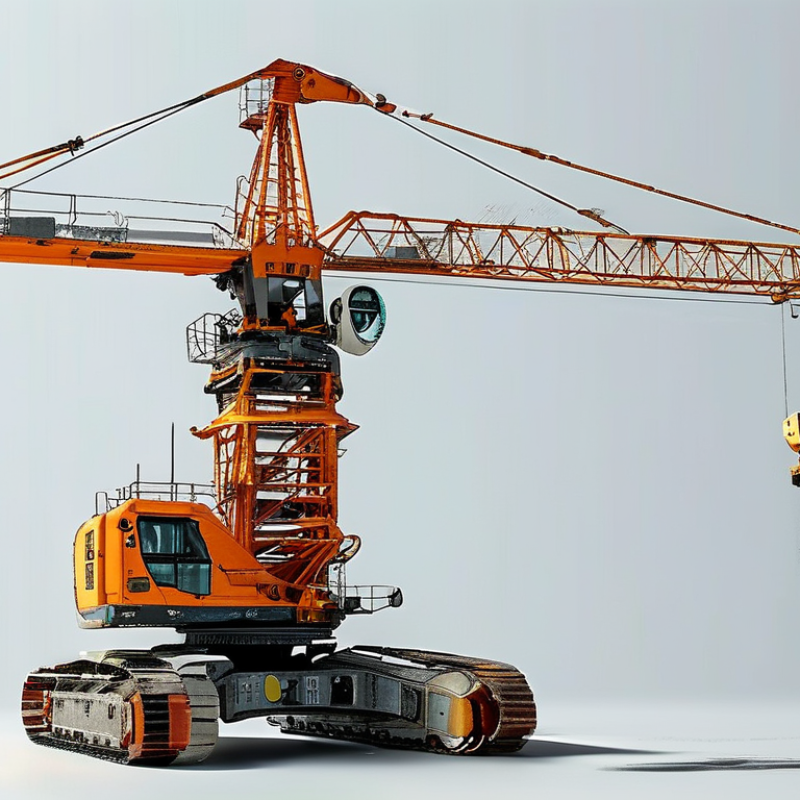
Best Used Small Tower Crane Brands in the Global Market
When looking for the best used small tower cranes, it’s crucial to consider the brands dominating the global market. A recent market analysis shows that small tower cranes account for approximately 15% of the total crane market share, reflecting a growing preference among contractors in urban construction. Key brands are known for their durability and efficiency, which is especially vital in smaller projects. These cranes often have lifting capacities ranging from 2 to 4 tons, making them suitable for diverse applications.
An important factor in choosing a small tower crane is its adaptability. Many cranes feature advanced technology that improves operation and reduces downtime. However, not all manufacturers maintain consistent quality. It’s essential to research reports indicating that nearly 30% of used cranes experience significant mechanical issues within the first year. This points to the necessity of thorough inspections and verification processes before purchasing. A thorough understanding of each brand's history can provide valuable insights into their reliability.
Many buyers overlook the importance of after-sales support. Poor customer service can hinder operations down the line. Some brands have been evaluated for their lack of effective parts supply, leading to prolonged downtimes. Users must be vigilant and ensure they are making informed decisions with comprehensive information on each brand's reputation. Each option has pros and cons, making careful consideration crucial.
Best Used Small Tower Crane Brands in the Global Market
Key Features to Consider When Choosing a Small Tower Crane
When considering a small tower crane, key features greatly impact performance. Load capacity is crucial; most small cranes can handle between 1 to 8 tons. The maximum height and boom length also matter. For instance, a crane with a 30-meter height and 30-meter boom can efficiently manage various construction tasks.
Operators should be aware of the crane's setup space. A compact design allows for versatility on tight job sites. Additionally, features like self-erection capabilities can save time and labor costs. According to a recent industry report by the International Crane Association, equipment with these features often results in a 20% reduction in setup time.
Tips: Always check the crane's maintenance history. Regular upkeep ensures safety and reliability. Also, evaluate the visibility from the operator's cab. Clear sightlines are essential for effective operation. Remember, investing in a crane that fits specific project needs can lead to improved efficiency and reduced overall costs. Balancing price with capabilities is often a challenging but necessary task for buyers.
Best Used Small Tower Crane for Global Buyers? - Key Features to Consider When Choosing a Small Tower Crane
| Model |
Max Load (tons) |
Height (m) |
Jib Length (m) |
Power (kW) |
Operating Radius (m) |
Price Range (USD) |
| Model A |
4 |
25 |
20 |
22 |
30 |
30,000 - 35,000 |
| Model B |
5 |
30 |
25 |
30 |
35 |
40,000 - 45,000 |
| Model C |
6 |
28 |
22 |
25 |
40 |
50,000 - 55,000 |
| Model D |
7 |
35 |
30 |
35 |
45 |
70,000 - 75,000 |
| Model E |
8 |
32 |
28 |
40 |
50 |
80,000 - 85,000 |
Impact of Load Capacity on Small Tower Crane Performance
When selecting a small tower crane, load capacity plays a crucial role in performance. A crane's load capacity directly influences its ability to lift and transport materials effectively. According to industry reports, the average load capacity for small tower cranes ranges from 1 to 4 tons. A crane with a higher load capacity can handle larger and heavier materials, making it versatile for various construction projects.
However, it's important to consider the impact of this capacity on overall stability and operational efficiency. Cranes with excessive load capacity can be prone to operational challenges, like overloading in high wind conditions. A study by the International Council on Large Electric Systems shows that nearly 15% of accidents in crane operations result from exceeding load capacity limits. This data emphasizes the need for careful assessment when choosing a crane.
Moreover, smaller load capacities can limit a crane's usage. Projects requiring heavy lifting may be hampered by inadequate crane specifications. It raises questions on striking the right balance between load capacity and site demands. Buyers must evaluate specific project needs and operational contexts thoroughly. An informed decision can ensure that the chosen small tower crane meets both safety standards and performance expectations.
Market Trends and Demand for Small Tower Cranes Worldwide
Small tower cranes are gaining popularity worldwide as construction projects become more compact and urbanized. Their capacity to operate in tight spaces is a significant advantage. Many construction firms are seeking used small tower cranes. This shift reflects a growing trend toward cost-effectiveness and sustainability in building practices. Buyers are increasingly drawn to the reliability of well-maintained, second-hand equipment. With the right maintenance, these cranes can perform reliably for many years.
The demand for small tower cranes is also influenced by technological advancements. Features like remote control and enhanced safety measures make these cranes safer and easier to use. However, potential buyers must be cautious. The market is flooded with options, and not every used crane meets industry standards. Many buyers overlook the importance of thorough inspections and certifications. This can lead to costly mistakes.
As construction needs evolve, so does the market for tower cranes. Buyers looking to invest should do their research. Familiarity with market trends, coupled with a clear understanding of their project requirements, is essential. In a dynamic industry, staying informed can make all the difference.
Cost Analysis: New vs. Used Small Tower Cranes for Buyers
When considering the purchase of small tower cranes, buyers often face a crucial decision: new or used? Cost analysis highlights that used small tower cranes can be significantly less expensive than new models, typically ranging from 30% to 50% lower. According to industry reports, a well-maintained used crane offers a solid return on investment, especially for short-term projects.
However, it is essential to assess the condition and service history of used cranes. Inspections are vital. Common issues may include wear and tear on the mechanical systems, which can lead to costly repairs later on. Aim for machinery with verifiable maintenance records. This ensures reliability and performance.
Tip: Always source cranes from reputable dealers. This adds a layer of assurance on the crane's condition. Also, consider the projected maintenance costs when analyzing overall expenses. They can dramatically influence long-term budgets.
Buyers should also reflect on project timelines. Used cranes may offer immediate availability, while new ones can have long lead times. Weighing these factors can provide a clearer path forward. A thorough understanding of both options enables more informed decision-making, reducing potential regrets.
FAQS
: Buyers need to consider load capacity, adaptability, and after-sales support. Each factor affects performance and operational efficiency.
Load capacity affects lifting ability. Higher capacities mean handling heavier materials, but they can also impact stability and efficiency.
Good after-sales support ensures timely parts supply and service. Poor support can lead to operational delays and increased costs.
Used cranes can be 30% to 50% less expensive than new ones, making them a budget-friendly option for many buyers.
Inspecting service history and condition is vital. Look for wear and tear that could lead to future repair costs.
Yes, many used cranes may have mechanical issues. Research shows that around 30% may experience problems within the first year.
Yes, exceeding load limits is a significant cause of accidents. Careful assessment of the crane's capacity is essential for safety.
Consider project timelines, availability, and projected maintenance costs. Each factor impacts long-term budgeting and project readiness.
Researching brand reputations, operational needs, and thorough inspections will help in making better choices for crane purchases.
Conclusion
In the search for the best used small tower crane, global buyers must navigate a variety of factors that influence their decision-making process. An evaluation of the top brands available in the market highlights key features such as lift height, rotational capacity, and ease of assembly, which are crucial for ensuring optimal performance on construction sites. Additionally, understanding the impact of load capacity on the crane's operational efficiency is vital, as it directly affects project timelines and safety.
Market trends indicate a rising demand for used small tower cranes, driven by the cost-effectiveness and practicality they offer to buyers. A comprehensive cost analysis reveals that, while new small tower cranes come with advanced features, the used market often provides significantly lower pricing. Consequently, buyers must weigh the benefits and drawbacks of investing in new versus used small tower cranes to make informed choices that align with their project needs and budget considerations.

 Dazheng Crane