2026 How to Choose a Potan Tower Crane for Global Buyers?

Time:2026-09-17 Author:Charlotte
0%

Choosing a Potan Tower Crane in 2026 requires more than comparing price tags and lifting capacity. Global buyers must match the crane with real site conditions, local regulations, transport limits, and future project demands. A high-rise site in Dubai may need different tower sections, wind protection, and power systems than a residential project in Canada or Southeast Asia. The right decision begins with evidence from the jobsite, not only a supplier brochure.

Look closely at maximum load, working radius, lifting speed, free-standing height, anchoring options, and electrical compatibility. A crane rated for 10 tonnes may not lift that load at the required jib length. That difference matters. Ask for load charts, foundation requirements, configuration drawings, inspection records, and maintenance guidance. Reliable manufacturers should explain these details clearly. Buyers should also check operator controls, spare-parts availability, remote technical support, delivery schedules, and installation training. Service quality can decide whether a crane remains productive after commissioning.

Cost still matters, but the lowest quotation can create expensive delays. Freight, customs handling, assembly equipment, financing, insurance, and downtime should enter the calculation. Compare total ownership cost over the project period. It is also wise to confirm certification and safety documentation with qualified local professionals before purchase. One weakness in this approach remains: forecasts cannot perfectly predict material shortages, weather, or site changes. A careful buyer therefore keeps a realistic contingency plan. Experience helps, but assumptions still need testing. A Potan Tower Crane should be selected as part of a complete lifting system, not as an isolated machine.
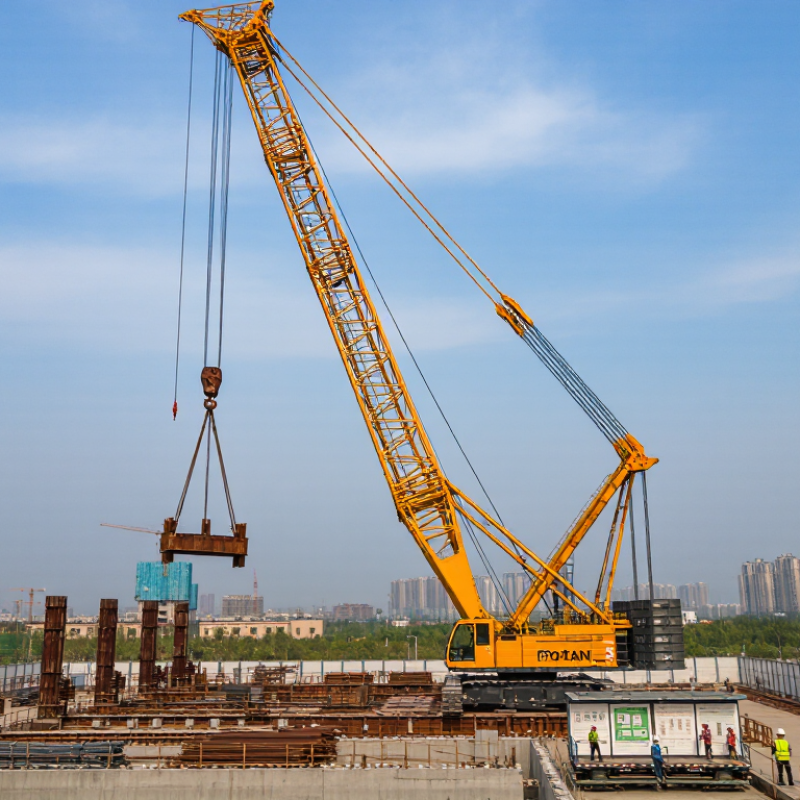
2026 How to Choose a Potan Tower Crane for Global Buyers?

Define Your Potan Tower Crane Lifting Requirements

Choosing a tower crane starts with the lift, not the catalog. Record the maximum load, working radius, hook height, and lifting frequency. Then describe the heaviest realistic load. Include concrete buckets, reinforcement bundles, panels, and irregular loads. Peak radius matters. A 10-ton load at 40 metres creates 400 tonne-metres before dynamic effects. Do not size from average loads. That shortcut is expensive.

Define the site conditions in measurable terms. Note ground bearing capacity, foundation limits, access width, assembly space, power supply, and nearby structures. Specify local wind exposure and required operating limits. The crane’s load chart must cover the full radius, not only the strongest position. ISO 4301-1 duty classification can help match equipment to daily intensity. For safety planning, the ILO’s 2023 report estimated 2.93 million work-related deaths and 395 million non-fatal injuries worldwide. Those figures make risk assessment more than paperwork.

Ask for documented load charts, inspection records, design calculations, and applicable conformity evidence. Check whether the proposed configuration follows EN 14439 or the relevant local standard. A project with frequent lifts needs different machinery from a short residential build. I have seen teams focus on maximum tonnage and overlook trolley travel time. That weakens productivity. A neat spreadsheet can still lie. Recheck the heaviest lift, the longest radius, and the worst wind scenario with the appointed lifting engineer. I may still underestimate site complexity, because real projects rarely stay tidy.

Compare Crane Types, Capacities, and Configuration Options

How to Choose a Tower Crane for Global Buyers

Choosing a tower crane starts with the building, not the catalog. A hammerhead crane suits open sites with long, fixed working radii. Its horizontal jib supports efficient material movement across broad floors. A luffing-jib crane fits dense cities and narrow sites. The jib can rise sharply, reducing oversailing risks. Self-erecting cranes work well for low-rise projects with limited setup space. They trade maximum capacity for quicker installation.

Capacity needs closer inspection. Check both maximum load and tip load. A crane may lift 10 tonnes near the mast but only 2 tonnes at the jib end. Compare the load chart with your heaviest panels, formwork, and lifting radius. Do not rely on the headline number. It can mislead.

Configuration affects cost and safety. Review jib length, mast height, tie-in spacing, foundation design, climbing method, power supply, and wind limits. Local engineers should verify soil data and structural reactions. Regional electrical requirements and inspection rules also matter. Anti-collision systems may be essential on crowded sites. Keep clear records.

A practical review should model daily lifting routes, not only peak loads. I have seen project teams overvalue maximum capacity and overlook transport access. That mistake creates delays. Recheck assumptions. The cheapest configuration may become expensive after site changes, extra ties, or longer rental periods.

2026 How to Choose a Tower Crane for Global Buyers?

Comparison of common tower crane types by typical maximum rated load and maximum jib reach.

Self-Erecting

Best for compact sites, short construction programs, and fast deployment.

Hammerhead

A practical horizontal-jib option for general building and infrastructure work.

Flat-Top

Suitable for multi-crane sites where jib coordination and clear zoning are important.

Luffing-Jib

Preferred for dense urban projects, restricted airspace, and limited oversailing.

The figures represent typical upper ratings commonly published for these crane categories, not a specific manufacturer or brand. Actual selection should also consider load charts, working radius, wind limits, foundation conditions, erection method, local regulations, and site logistics.

Evaluate Site Conditions, Transport, and Installation Needs

Choosing a tower crane for an international project begins with the site, not the catalog. Check foundation capacity, ground water, access roads, and nearby structures. Measure twice. A narrow urban plot may require a compact base and limited slewing space. Open coastal sites need stronger wind planning, especially during erection and dismantling.

Transport conditions can change the practical choice. Confirm container limits, road weight restrictions, bridge clearances, and local unloading equipment. A crane with excellent lifting capacity may become costly if its mast sections need special transport permits. Divide the equipment into clearly marked loads. This reduces confusion at the receiving yard, but labels alone cannot solve poor scheduling.

Installation planning deserves equal attention. Review the mobile crane position, assembly area, power supply, and crew experience before ordering. Check whether the building can support tie-ins at planned heights. Leave room for unexpected delays. Weather, missing bolts, or a late foundation inspection can stop a carefully planned lift. One common mistake is choosing maximum capacity instead of matching actual load charts, working radius, and building height. I would challenge that habit. A smaller, well-installed crane may perform more reliably than a larger unit forced into restricted conditions. Require documented inspections, trained operators, and clear maintenance records from every supplier.

Check Safety Standards, Supplier Support, and Total Costs

When choosing a tower crane for international projects, safety standards deserve careful checking.

Confirm compliance with the destination market’s requirements, such as EN 14439, ISO 12480-1, or ASME B30.3. Requirements can differ between countries and even between job sites. Request certificates, load charts, test records, and inspection procedures before signing an order. Do not rely on a translated brochure alone.

Ask how the supplier supports installation and daily operation. A dependable supplier should provide commissioning guidance, operator training, maintenance schedules, and clear emergency contacts. Check whether technicians can reach your site within a practical timeframe. Spare parts availability matters too. A missing limit switch can stop a project for days. That cost is easy to underestimate.

Compare total ownership costs, not only the quoted crane price.

Include sea freight, customs handling, foundation design, erection equipment, electricity, insurance, inspections, and dismantling. Calculate fuel or power use for the expected working cycle. Ask about software updates and replacement components. In field evaluations, buyers sometimes focus on maximum lifting capacity and overlook wind limits or restricted site access. That is a costly mistake. I would also leave room for unexpected delays, because real projects rarely follow the original schedule.

Select the Best Potan Tower Crane for Global Operation

Selecting the best tower crane for global operation starts with the worksite, not the catalog. An experienced project team checks maximum load, lifting radius, hook height, foundation limits, and local wind conditions. A crane that performs well on a dense urban site may struggle beside an open coastline. Small details matter. Review the load chart at the most demanding radius, not only the headline capacity. Ask for documented test records, inspection procedures, and operator training requirements. These documents reveal how seriously the equipment is managed.

For international projects, adaptability is essential. Choose a configuration that supports different jib lengths, mast sections, power standards, and transport methods. Confirm that electrical components match the destination site and that replacement parts can arrive through a realistic supply route. Remote diagnostics can reduce downtime, but they do not replace an on-site technician. Check service response times in writing. Also verify safety features, emergency controls, anti-collision options, and weather monitoring against local regulations. Compliance must be confirmed by qualified professionals in each operating region.

Cost should include installation, relocation, maintenance, training, insurance, and lost hours. The lowest purchase price can become expensive after one delayed repair. Test communication between the operator, signaler, and site manager before full production. It sounds basic. It is often overlooked. Soil data can change, schedules can slip, and a perfect specification may still fail in daily use. A staged trial, independent inspection, and regular review create stronger evidence than promises alone.

2026 How to Choose a Potan Tower Crane for Global Buyers? - Select the Best Potan Tower Crane for Global Operation

Generic selection guide for global construction projects based on operating conditions, lifting requirements, logistics, power supply, and local compliance.

Crane Configuration Typical Maximum Load Typical Maximum Jib Length Typical Load at Maximum Jib Recommended Building Height Best Application Global Buyer Considerations Typical Power Supply Recommended Selection
Small Flat-Top Tower Crane 6–8 t 40–50 m 0.8–1.2 t Up to approximately 80 m without special climbing arrangements Residential buildings, low-rise commercial projects, precast concrete installation, and urban renovation Compact components reduce transport and installation costs. Suitable where site access and foundation space are limited. 380–415 V, 50 Hz; 440–480 V, 60 Hz versions may be required for some markets
Medium Flat-Top Tower Crane 8–12 t 50–60 m 1.0–1.8 t Up to approximately 120 m with suitable mast sections Mid-rise apartments, hotels, schools, hospitals, and mixed-use developments A balanced option for international projects because it offers broad operating coverage without the transport requirements of larger cranes. 380–415 V, 50 Hz or 440–480 V, 60 Hz, depending on the job-site grid
Heavy-Lift Flat-Top Tower Crane 12–20 t 60–75 m 1.5–3.0 t Up to approximately 180 m with engineered anchoring High-rise structures, industrial plants, infrastructure projects, and heavy precast components Requires stronger foundations, larger transport equipment, qualified erection crews, and careful load-chart verification. 380–415 V, 50 Hz or 440–480 V, 60 Hz; transformer capacity must be confirmed before purchase
Luffing-Jib Tower Crane 8–16 t 35–60 m 1.5–4.0 t Suitable for dense urban sites and tall buildings High-rise construction, restricted airspace, narrow streets, and projects with multiple overlapping cranes The adjustable jib angle reduces oversailing over adjacent properties, but the system generally has higher purchase, installation, and maintenance costs. 380–415 V, 50 Hz or 440–480 V, 60 Hz; variable-frequency drives are commonly specified
Self-Erecting Tower Crane 4–8 t 30–45 m 0.7–1.5 t Generally suited to low-rise work and limited climbing heights Small residential developments, bridges, warehouses, agricultural buildings, and short-term projects Fast deployment and lower assembly requirements can reduce project start-up time. Confirm road regulations for transport dimensions and axle loads. 380–415 V, 50 Hz; site generator compatibility should be checked
Top-Slewing Crane with External Climbing System 10–20 t 50–75 m 1.2–3.0 t Approximately 150–300 m, subject to engineering design and tie-in spacing Very tall buildings, towers, large residential complexes, and long-duration projects Requires detailed mast, tie-in, foundation, climbing-frame, and wind-load engineering. Installation should be supervised by qualified personnel. 380–415 V, 50 Hz or 440–480 V, 60 Hz; emergency lowering and backup power may be specified
Low-Headroom Tower Crane 6–12 t 40–55 m 0.8–2.0 t Generally used inside or near existing structures Industrial buildings, power facilities, plant maintenance, roof replacement, and confined indoor or semi-indoor sites Check hook travel, trolley clearance, roof loading, installation sequence, and ventilation requirements before ordering. 380–415 V, 50 Hz or 440–480 V, 60 Hz

Important: The figures above are typical industry planning ranges, not a substitute for a certified load chart or project-specific engineering review. Before ordering, verify wind speed, temperature range, seismic conditions, foundation design, maximum free-standing height, tie-in requirements, local lifting regulations, electrical standards, spare-parts availability, operator certification, and inspection requirements in the destination country.

FAQS

What site conditions should be checked before selecting a tower crane?

Check soil strength, groundwater, foundation capacity, nearby buildings, and available slewing space. Measure twice. A narrow urban plot may need a compact base and shorter jib.

How do transport limits affect tower crane selection?

Confirm container dimensions, road weight limits, bridge clearances, permits, and unloading equipment. Mast sections should arrive as clearly marked loads. Labels help, but poor scheduling can still create confusion.

What installation details must be planned before ordering?

Review the mobile crane position, assembly area, power supply, and crew experience. Check planned tie-in heights and building support points. Leave extra time for weather, missing bolts, and inspections.

Should maximum lifting capacity decide the crane choice?

No. Compare real load charts, working radius, hook height, and building height. A smaller crane may work better in restricted conditions. Maximum capacity can be misleading.

Which safety documents should buyers request?

Request certificates, load charts, test records, inspection procedures, and maintenance documentation. Do not depend on a translated brochure alone. Qualified local professionals should confirm regional compliance.

What supplier support is important during international operation?

Confirm commissioning guidance, operator training, maintenance schedules, emergency contacts, and technician response times. Check spare-parts availability. One missing limit switch can stop work for several days.

What costs should be included beyond the purchase price?

Include freight, customs handling, foundation design, erection equipment, electricity, insurance, inspections, and dismantling. Also calculate maintenance, training, relocation, and delayed working hours. The lowest price may not stay lowest.

How can teams reduce operational problems after installation?

Test communication between the operator, signaler, and site manager before production begins. Use staged trials, independent inspections, weather monitoring, and regular reviews. Plans can still fail. That possibility deserves attention.

Conclusion

Choosing the right Potan Tower Crane for global operation begins with clearly defining the project’s lifting requirements, including maximum load, working radius, lifting height, duty cycle, and expected construction schedule. Buyers should then compare suitable crane types, rated capacities, mast and jib configurations, climbing systems, control functions, and compatibility with different building structures. This ensures the selected equipment can perform efficiently without unnecessary capacity or cost.

Site conditions are equally important. Evaluate foundation requirements, ground stability, wind exposure, access routes, transport dimensions, assembly space, power availability, and installation procedures before placing an order. Buyers should also confirm applicable safety standards, inspection requirements, operator training, spare-parts availability, technical assistance, warranty coverage, and after-sales support in the destination market. Finally, compare the total cost of ownership, including transportation, installation, maintenance, energy use, financing, and eventual relocation. A careful balance of performance, safety, logistics, service, and long-term value will help global buyers select the most suitable Potan Tower Crane for each project.


Charlotte

Charlotte

Charlotte is a seasoned marketing professional with a deep understanding of the company's portfolio and a passion for elevating its presence in the market. With a keen eye for detail and a commitment to excellence, she ensures that our professional blog is regularly updated with insightful articles......